
How to Ensure FDA Packaging Compliance Before Entering the U.S. Market
If you’re an international food brand preparing to enter the U.S. market, one of the most critical elements of your success is FDA packaging compliance. The United States is one of the most tightly regulated food markets in the world—and for good reason. Packaging determines not only how consumers perceive your product, but also whether your shipment makes it past the port without delays, relabeling orders, or costly recalls.
In this video, Tim Forrest breaks down the fundamentals every global brand must understand to prevent setbacks and ensure a smooth, profitable entry into the United States.
Why FDA Packaging Compliance Matters
FDA packaging regulations exist to:
-
Protect consumers
-
Ensure accurate labeling
-
Prevent misleading claims
-
Maintain food safety
-
Allow for traceability in case of issues
For global brands, compliance is not optional. A single mistake can lead to:
-
Entry refusals at the port
-
Product relabeling orders
-
Costly recalls
-
Loss of retailer confidence
-
Damage to brand reputation
Tim emphasizes that packaging is not just a marketing decision—it is a regulatory requirement with real financial consequences.
The Critical FDA Packaging Components You Must Get Right
In this essential guide, Tim highlights the core areas every brand must review before shipping to the U.S.:
1. Accurate Product Identity
Your label must clearly state what the product is in standard U.S. terminology. The name must be honest, descriptive, and compliant with FDA labeling laws.
2. Proper Ingredient Declaration
Ingredients must be listed in descending order by weight, using U.S.-recognized terms and allergen declarations that comply with FALCPA and Faster Act requirements.
3. Nutrition Facts Panel
The U.S. Nutrition Facts Panel follows strict formatting rules, including:
-
Specific font sizes
-
Line thickness
-
Placement
-
Mandatory nutrients
Tim explains why the smallest formatting mistake can trigger an FDA review.
4. Net Quantity Statements
Must use both:
-
U.S. customary units
-
Metric units
And follow precise positioning and sizing rules.
5. Manufacturer, Packer, or Distributor Information
Labels must clearly identify the responsible firm, including city, state, and qualifying language for imported products.
6. Claims and Certifications
Organic, non-GMO, gluten-free, and similar claims each have specific verification requirements. Incorrect or unverified claims are a fast path to enforcement action.
What Happens When Packaging Is Not Compliant?
FDA packaging issues are among the top reasons international food shipments run into trouble. Common consequences include:
-
Port holds
-
Documentation reviews
-
Mandatory relabeling
-
Shipment refusal or destruction
-
Costly rework and delays
-
Lost retail opportunities
These issues often occur because companies rely on local labeling standards that do not align with U.S. regulations.
Tim’s message is clear:
Fixing packaging after your shipment arrives is always more expensive than getting it right from the start.
Why Packaging Compliance Protects Your Brand
Beyond regulatory requirements, proper packaging ensures:
-
Consumer trust
-
Buyer confidence
-
Retail acceptance
-
Smooth distribution
-
Reduced liability
Your packaging is your first impression—and the first thing regulators and retailers evaluate.
Tim reinforces that FDA-compliant packaging is one of the smartest investments a global brand can make before entering the U.S. market.
Ready to Enter the U.S. Market with Confidence?
If you have an innovative food product or a growing brand, Tim can help you review, correct, and optimize your packaging before you ship—reducing risk and saving time, money, and headaches.
👉 Schedule your appointment at www.timforrest.com
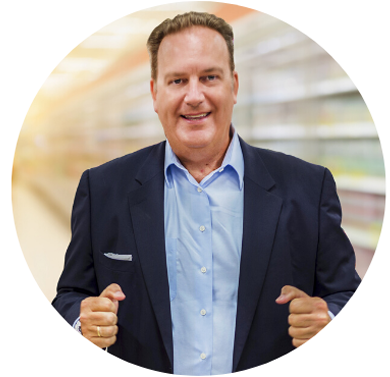 “Hi I’m Tim, and I love the food business! I’ve been helping large and small companies and entrepreneurs achieve success for decades. My consulting projects have contributed to major successes for my clients, including many with 100%+ year-over-year growth rates. I enjoy sharing my expertise, and hope you find these blog posts enlightening. Please reach out to me with any questions or comments.”


Share This Story
Related Posts



Let’s Talk




What We Do
 We help food entrepreneurs and established companies get their products onto shelves and into the hands of consumers. Through personalized collaboration, you’ll learn to succeed using a proven path of marketing, sales, merchandising, distribution and business growth strategies. We’ve generated over $1 billion in revenue and company valuations for our clients. Let us put our expertise to work for you.


