
The System Behind Successful Food Brands in the U.S. Market
Importing Food to the U.S.? Your Recipe Is Not the Advantage
Early in my career, I was handed a cookie recipe by Wally Amos, the founder of Famous Amos.
You would think that was the moment. The secret. The edge.
It wasn’t.
What I learned that day is something every food entrepreneur eventually has to face:
The recipe is not the business.
If you are planning to import food into the United States or scale an existing brand, this distinction is critical. Great products are everywhere. Scalable businesses are not.
The Harsh Reality: Most Food Products Do Not Scale
The majority of food products never make it past early traction. They may taste great. They may even get on the shelf.
But they do not move.
Why?
Because they were built around a recipe, not a system.
Retail in the United States rewards performance. Buyers track velocity, reorders, and consistency. If your product does not deliver on those metrics, it will not last—no matter how good it tastes.
The Food Money Machine: The Five Ingredients That Actually Matter
Over time, I’ve refined a simple framework I call the Food Money Machine. It’s the system behind scalable food brands.
These are the five ingredients that matter.
1. Solve a Real Consumer Need
A product must do more than exist. It must solve something.
That could be convenience, health, indulgence, portability, or price. If your product does not clearly solve a need, it becomes optional.
Optional products do not generate repeat purchases.
2. Craft a Promise That Sells
Your product must communicate a clear promise the consumer understands instantly.
Not a paragraph. Not a story.
A promise.
When someone sees your product on the shelf, they should know exactly why it matters to them.
If they have to think about it, they move on.
3. Choose the Right Distribution Channel
Distribution is not an afterthought. It is a strategic decision.
The wrong channel can limit your growth before you begin.
For example, refrigerated products often struggle in direct-to-consumer models due to logistics and cost. Shelf-stable products may perform better in traditional retail.
You are not just choosing where to sell. You are choosing how your product will scale.
4. Deliver on the Promise Every Time
A strong brand is built on consistency.
If your product makes a promise, it must deliver on that promise every single time. Taste, texture, quality, and experience must align with expectations.
If the product fails to deliver, repeat purchases disappear.
And without repeat purchases, there is no business.
5. Identify a Real Competitive Advantage
Your advantage is not your recipe.
It may be:
- Your positioning
- Your distribution strategy
- Your price-to-value relationship
- Your brand clarity
- Your operational efficiency
A true competitive advantage is something that makes your product difficult to replace.
Why Many Founders Struggle With This
Chefs and product creators often focus heavily on formulation.
They refine ingredients. They perfect taste. They optimize texture.
But scaling a food business requires a different mindset.
It requires understanding:
- Retail dynamics
- Consumer behavior
- Supply chain execution
- Regulatory compliance
Without these elements, even great products fail.
A Case Study in Patience and Precision
Consider Red Bull.
It took years to refine not just the product, but the positioning and promise behind it. The taste alone was not the driver. The brand built a clear identity and delivered it consistently.
That is what created scale.
How to Know If Your Product Can Scale
A simple way to evaluate your product is what I call the 10X test.
Ask yourself:
- Can your operations handle ten times the current demand?
- Can your supply chain support growth without breaking?
- Can your pricing structure sustain larger volumes?
- Will your product still perform at scale in retail?
If the answer is no, expansion should not be the next step.
Why This Matters for Importing Food to the U.S.
The U.S. market is not forgiving.
Retailers expect performance.
Distributors expect reliability.
Regulators expect compliance.
If your business is built only around a recipe, it will struggle.
If it is built around a system, it can scale.
This is especially important for international brands. Importing food into the United States requires alignment across:
- FDA compliance
- Labeling standards
- Distribution strategy
- Market positioning
The Food Money Machine helps bring those elements together.
Growth Comes From Systems, Not Recipes
Recipes can open doors.
Systems keep them open.
If you want to build a scalable food brand in the United States, you need more than a great product. You need a structure that supports growth.
Ready to Build Your Food Money Machine?
If you are importing food into the United States or looking to scale your brand with a proven framework, schedule a strategy session with Tim Forrest.
👉 Book your call at: www.timforrestmarkets.com
You can also:
👉 Join the Costco cohort: https://www.timforrest.com/costco
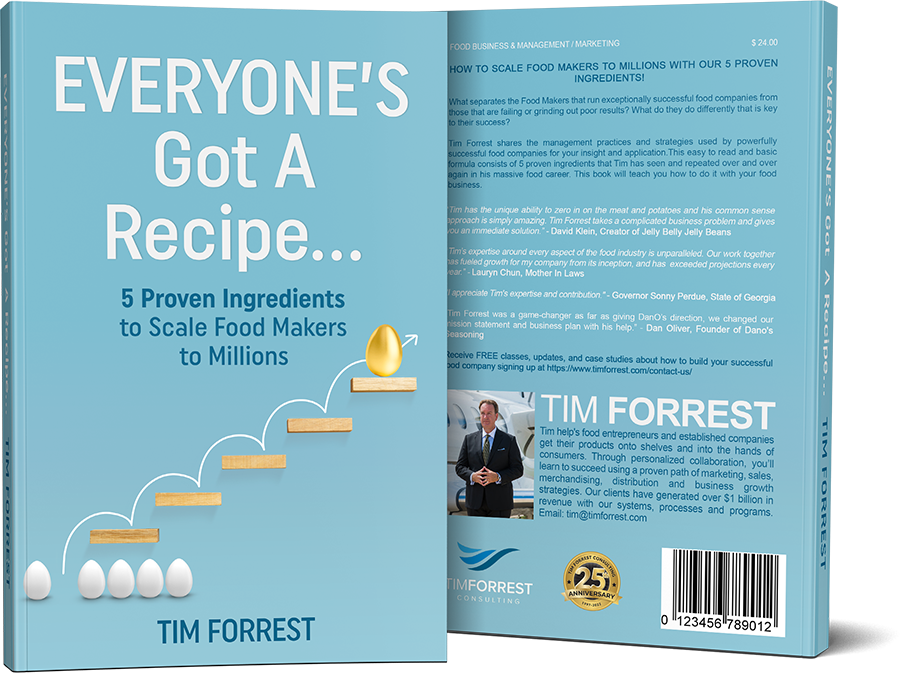
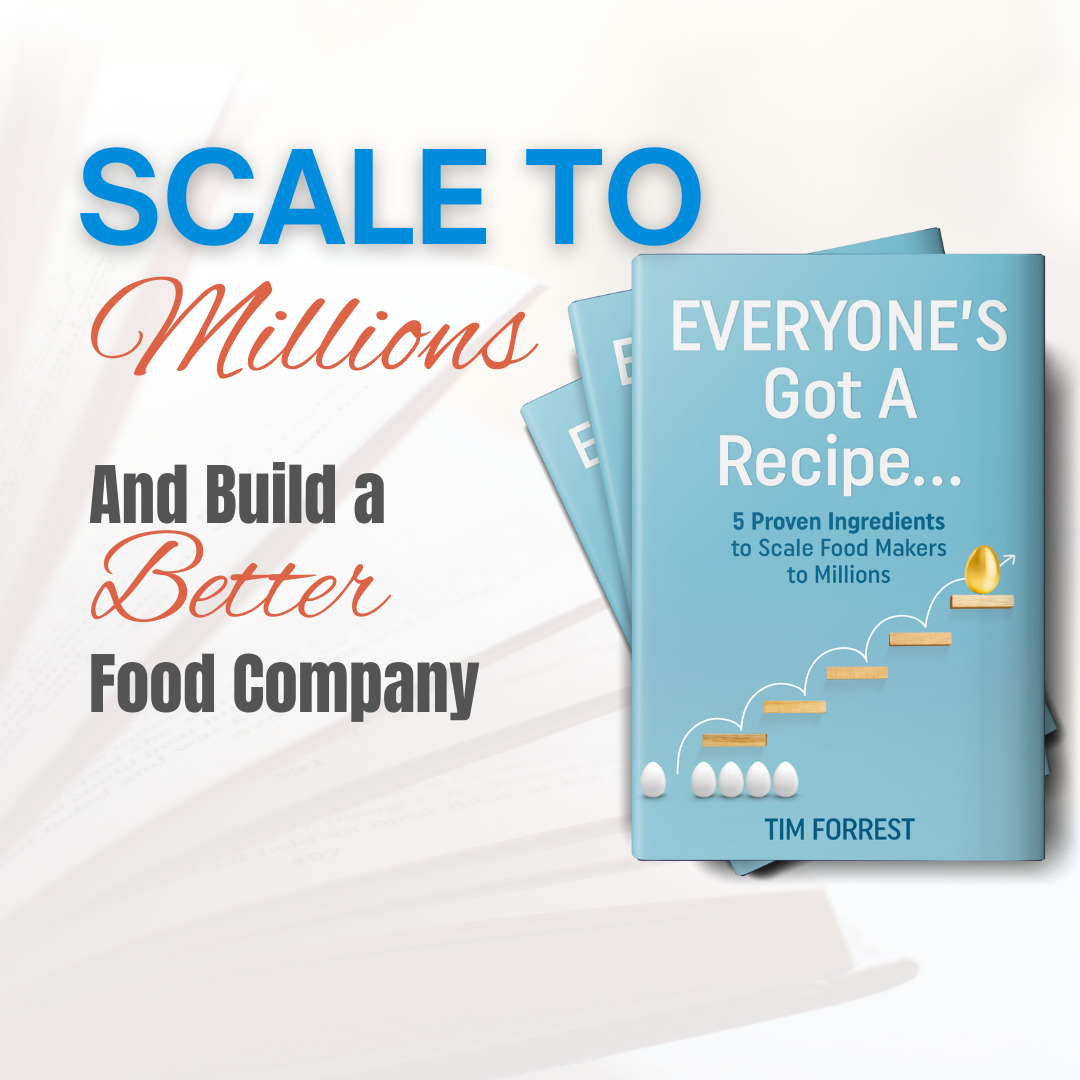
👉 Get Tim’s book for free: https://www.gettimsbook.com
Build the system. The growth will follow.
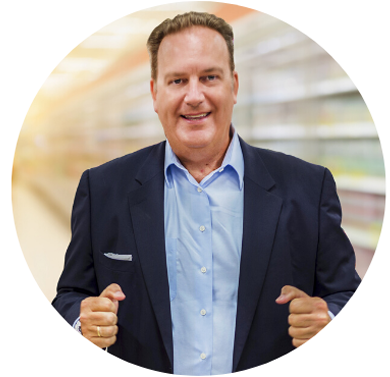 “Hi I’m Tim, and I love the food business! I’ve been helping large and small companies and entrepreneurs achieve success for decades. My consulting projects have contributed to major successes for my clients, including many with 100%+ year-over-year growth rates. I enjoy sharing my expertise, and hope you find these blog posts enlightening. Please reach out to me with any questions or comments.”


Share This Story
Related Posts



Let’s Talk



What We Do
 We help food entrepreneurs and established companies get their products onto shelves and into the hands of consumers. Through personalized collaboration, you’ll learn to succeed using a proven path of marketing, sales, merchandising, distribution and business growth strategies. We’ve generated over $1 billion in revenue and company valuations for our clients. Let us put our expertise to work for you.


