
Food Brand Q&A: Costco, Whole Foods, FDA Rules, and Import Strategy
If you are building a food brand and thinking about the U.S. market, you are likely asking some version of these questions:
Can I get into Costco?
How do I respond to a Whole Foods opportunity?
What does it really take to export into the United States?
Do I need an FDA license?
How do I work with a broker without wasting time or money?
These are not theoretical questions. They come from real founders actively trying to grow.
In this Q&A, I answered five of the most common and most important questions I see from food entrepreneurs around the world. Each one highlights a different piece of what it actually takes to enter and succeed in the U.S. food market.
From Farmers Market to Whole Foods: What Changes
Moving from a local farmers market into Whole Foods Market is a major step forward, but it comes with new expectations.
At the local level, you are selling directly to consumers. In retail, you are entering a system.
To be considered, you need:
- A GS1 UPC-A barcode
- Fully compliant U.S. labeling
- A completed new item form
- Consistent production capability
- Clear pricing structure
This is where many brands stall. The product may be good, but the infrastructure is not ready.
Retailers like Whole Foods are not testing ideas. They are onboarding products that can perform within their system.
Can a Bakery Get Into Costco?
The short answer is yes. The real answer is much more specific.
Costco operates differently from traditional grocery. They carry a limited number of products in each category, and many of those are produced internally through their own bakery programs.
For an external bakery brand to succeed, one thing is required:
A hero item.
This means a product that:
- Stands out clearly from existing offerings
- Delivers strong value at scale
- Can move high volume consistently
- Fits Costco’s packaging and pallet model
Costco is not looking for variety. They are looking for performance.
If your product cannot generate significant velocity, it will not last.
Exporting Food from International Markets Into the U.S.
For brands exporting from countries like Brazil, Australia, or elsewhere, entering the U.S. market requires more than shipping product.
You need structure.
Key elements include:
- A U.S.-based warehouse or distribution strategy
- A focused regional entry point, not national rollout
- FDA-compliant labeling in English
- Proper importer of record and FSVP setup
- Reliable logistics and inventory planning
The biggest mistake international brands make is trying to scale too quickly.
The smarter path is to enter one region, build proof, and expand from there.
The Truth About FDA Food Import Licensing
This is one of the most misunderstood areas in the industry.
There is no such thing as an “FDA license” to import food.
The FDA does not approve or certify food products in advance. Instead, they enforce compliance through:
- Facility registration
- Prior Notice submissions
- FSVP requirements
- Labeling regulations
- Port inspections
If your documentation is correct and your product meets U.S. standards, your shipment moves.
If not, it gets held.
Understanding this distinction is critical for any brand entering the U.S. market.
How to Work With a Food Broker the Right Way
Meeting with a broker for the first time can feel like a major opportunity. It can also become a costly mistake if approached incorrectly.
Here are a few principles to keep in mind:
- Ask about their experience in your category
- Understand which accounts they actually represent
- Clarify whether they work by account or by region
- Negotiate commission rates, typically around five percent
- Avoid broad agreements without defined deliverables
A broker is not a growth strategy. They are part of a larger system.
If your product does not have velocity, a broker cannot fix that.
What These Questions Have in Common
Each of these scenarios points to the same underlying principle:
Success in the U.S. food market comes from preparation, not opportunity.
Whether you are:
- Entering Whole Foods
- Pitching Costco
- Exporting from another country
- Working with a broker
- Navigating FDA requirements
The brands that succeed are the ones that:
- Build strong operational foundations
- Understand regulatory expectations
- Focus on velocity and repeat purchases
- Expand with discipline
There is no shortcut around this process.
Entering the U.S. Market With Confidence
The U.S. market offers significant opportunity, but it is also highly structured and performance-driven.
Retailers expect readiness.
Distributors expect reliability.
Regulators expect compliance.
When these elements align, growth becomes predictable.
When they do not, even strong products struggle.
Ready to Build Your U.S. Strategy?
If you are planning to import food into the United States or expand your brand into major retail, the right strategy makes all the difference.
👉 Book a meeting at: www.timforrestmarkets.com
With over 35 years in food and CPG, and more than 23 brands placed into Costco, Tim Forrest helps brands build confidence and control through compliance, import readiness, and retail execution.
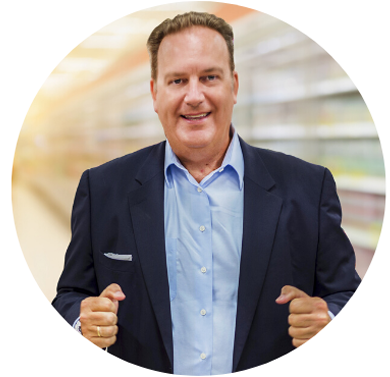 “Hi I’m Tim, and I love the food business! I’ve been helping large and small companies and entrepreneurs achieve success for decades. My consulting projects have contributed to major successes for my clients, including many with 100%+ year-over-year growth rates. I enjoy sharing my expertise, and hope you find these blog posts enlightening. Please reach out to me with any questions or comments.”

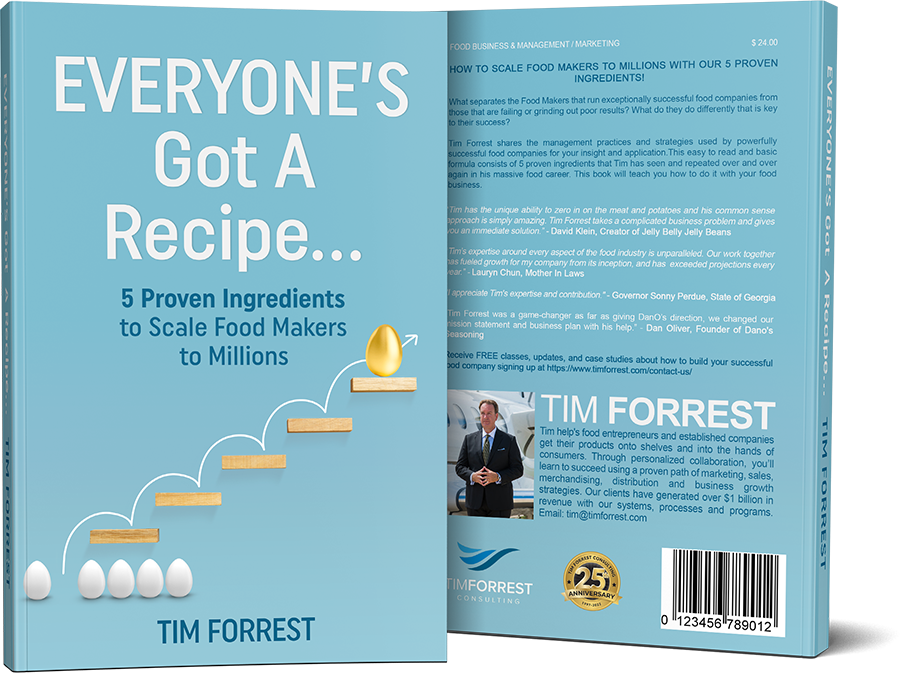

Share This Story
Related Posts



Let’s Talk



What We Do
 We help food entrepreneurs and established companies get their products onto shelves and into the hands of consumers. Through personalized collaboration, you’ll learn to succeed using a proven path of marketing, sales, merchandising, distribution and business growth strategies. We’ve generated over $1 billion in revenue and company valuations for our clients. Let us put our expertise to work for you.


