
How to Import Organic Food to the USA: Key Steps Every Brand Must Know
As more global brands look to enter the U.S. market with clean, organic, and specialty products, the question comes up again and again: How do you properly import organic food into the United States?
In this episode of our “Introducing Food Products to the U.S.” series, Tim Forrest answers the most common questions founders, exporters, and international food producers have about navigating organic imports.
Whether you’re importing spices, snacks, beverages, produce, or packaged food products, this episode breaks down what you must understand before shipments ever reach the port.
Why Organic Imports Require More Than Standard FDA Compliance
While all food imports must follow FDA and FSVP regulations, organic food has an added layer of oversight.
Tim walks through the differences between:
-
Standard imported food products, and
-
USDA-certified organic imports, which require additional verification, documentation, and integrity checks.
Many brands assume that organic certification in their home country automatically transfers to the U.S. market — but that is not always the case. Ensuring your product meets U.S. organic standards is critical to maintaining label compliance and preventing costly port holds.
Key Requirements for Importing Organic Food into the United States
In the video, Tim outlines the essential steps and documents you’ll need to prepare before shipping your organic food products to the U.S. These include:
1. USDA Organic Certification
Your product must be certified by a USDA-accredited certifying body.
If your home-country certifier is not USDA-recognized, you may need additional documentation or certification adjustments.
2. Organic Integrity Documentation
Your shipment must include documentation proving the organic integrity of the product throughout the supply chain — from farm to export facility.
3. Correct Organic Labeling
The USDA Organic seal has strict rules:
-
Size
-
Placement
-
Percentage of organic ingredients
-
Prohibited input checks
Tim explains how incorrect labels can cause delays or rejections at import.
4. FSVP Importer Requirements
Even for organic products, U.S. importers must meet FSVP (Foreign Supplier Verification Program) obligations.
This includes:
-
Supplier assessment
-
Hazard analysis
-
Written verification activities
Failing this step can result in holds, 483s, or product refusal.
5. Customs, FDA, and Organic Code Coordination
Tim walks through how USDA, FDA, and U.S. Customs interact during the clearance process — and what documents must align across all three agencies to ensure smooth entry.
Why Organic Imports Often Get Delayed — and How to Prevent It
Common issues Tim highlights include:
-
Mismatched organic documentation
-
Incorrect or non-compliant labels
-
Overlooked organic control points
-
Certifiers not recognized by USDA
-
Lack of FSVP compliance by the U.S. importer
-
Missing certificates during the customs entry process
These mistakes often lead to:
-
Costly delays
-
Relabeling at port
-
Holds or inspections
-
Additional fees
-
Shipment refusal
Tim emphasizes that a strong pre-import review can prevent nearly all avoidable delays.
The Best Time to Review Your Organic Import Plan
Tim encourages brands to review their U.S. import and organic compliance early in the process — ideally during:
-
Product development
-
Label design
-
Supplier certification
-
Pre-shipment documentation review
Waiting until after the product ships is where most brands get into trouble.
Bringing Organic Products Into the U.S. — Smoothly and Successfully
Importing organic food into the United States is absolutely achievable when you have:
-
The correct certifications
-
Verified suppliers
-
Compliant labels
-
Proper documentation
-
A clear understanding of FSVP and USDA organic requirements
This episode serves as a foundational guide to help you move confidently through each step of the process.
Ready to Import Your Organic Food Product Into the U.S.?
If you have an innovative food product or growing brand and want expert guidance navigating organic imports, U.S. regulations, or FSVP requirements, schedule a call with Tim Forrest today.
👉 Book your consultation at www.timforrest.com
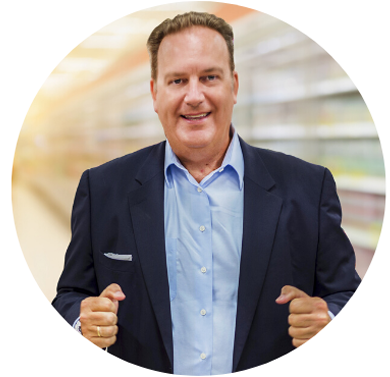 “Hi I’m Tim, and I love the food business! I’ve been helping large and small companies and entrepreneurs achieve success for decades. My consulting projects have contributed to major successes for my clients, including many with 100%+ year-over-year growth rates. I enjoy sharing my expertise, and hope you find these blog posts enlightening. Please reach out to me with any questions or comments.”


Share This Story
Related Posts



Let’s Talk



What We Do
 We help food entrepreneurs and established companies get their products onto shelves and into the hands of consumers. Through personalized collaboration, you’ll learn to succeed using a proven path of marketing, sales, merchandising, distribution and business growth strategies. We’ve generated over $1 billion in revenue and company valuations for our clients. Let us put our expertise to work for you.


