
Launch Your Food Brand at Farmers Markets
The US food industry’s appetite for fresh, bold flavors keeps growing. Consumers want new tastes and unique products, driving a never-ending search for foods from around the world. For entrepreneurs and importers, this opens the door to big opportunities—but also big risks. Messy paperwork, strict regulations, and rushed retail launches can drain time and money fast. Here, you’ll get real, workable advice to help you tap into this booming market, avoid the typical errors, and build a profitable US food brand from the ground up.
Understanding the US Food Import Landscape
Getting food into the US takes more than just shipping goods and hoping for the best. Behind every successful import, there’s careful planning and deep familiarity with federal requirements. Missing something simple can cost you weeks, spoil your shipment or sink your reputation.
Key US Regulatory Agencies and Requirements
Several agencies guard the doors to the US food market:
- FDA (Food and Drug Administration): Protects public health by ensuring imported foods are safe, accurately labeled, and free of contaminants.
- USDA (United States Department of Agriculture): Focuses on meat, poultry, and some egg products, with strict inspection and grading.
- US Customs and Border Protection: Oversees all imports, applies duties, and enforces compliance with US laws.
Importers must also follow the Food Safety Modernization Act (FSMA), which includes registering food facilities, following strict hazard controls, and allowing inspections. Failing to register or follow FSMA rules can result in detentions and product refusals. Always secure the right licenses before shipping anything.
Documentation, Packaging, and Labeling Standards
To clear customs smoothly, importers need crystal-clear paperwork:
- Prior Notice: Must be submitted to the FDA before the shipment arrives.
- Import Permits: Required for select food types (check with USDA or FDA).
- Bills of Lading, Invoices, and Packing Lists: Detail every product in the shipment.
The US takes labeling seriously. Labels should show:
- Ingredient lists in English.
- Nutrition facts that match FDA formats.
- Clear allergen warnings.
- Country of origin.
Sloppy or missing labels are a fast pass to having your load refused.
Common Challenges and How to Avoid Them
Many first-time importers run into:
- Missing or incorrect paperwork.
- Out-of-date facility registrations.
- Products that don’t meet labeling rules.
- Shipments arriving with incomplete Prior Notices.
- Delays at customs due to surprise inspections or lack of importer of record.
How to avoid these?
- Double-check every document for accuracy and completeness.
- Register your food facility and keep the registration current.
- Invest in professional translation for ingredient labels and warnings if needed.
- Work with a customs broker or import consultant who specializes in food.
A sloppy approach will leave you stuck, paying storage fees while your competitors grow faster.
Proven Strategies for Successfully Importing, Marketing, and Selling Food in the US
Tim Forrest, a leading US food industry expert, shares tried-and-true methods for new importers. These don’t just tick regulatory boxes—they set you up for sales success and lasting brand growth.
Start Small: Farmers Markets, Events, and Local Testing
Jumping straight to big chain stores sounds tempting, but in reality, it’s risky and expensive. Instead, start small. Sell your food at local farmers markets and community events. This lets you:
- Get fast, honest feedback from real customers.
- Test recipes, packaging, and price points.
- Gather product reviews and testimonials.
- Save money on slotting fees and large inventory requirements.
Think of it like students testing ingredients in their home kitchen before opening a restaurant. You learn and adjust without betting everything on one big launch.
Packaging, Photography, and Online Platforms
Great packaging does more than protect your product—it’s your silent salesperson. Focus on:
- Clean, eye-catching designs that stand out on crowded shelves and scrolls.
- Clear, compliant English language labels.
- Smart use of color and icons for fast recognition.
For online sales, invest in crisp, well-lit photos and compelling product descriptions. List your goods on platforms like Amazon, Etsy, and specialty food marketplaces. These sites give you early name recognition and let you build buzz while you iron out the business details.
Building Local Sales and Scaling Strategically
Don’t rush to cover the United States all at once. Start within a 200–250 mile radius. This focused approach helps you:
- Build strong relationships with local buyers and distributors.
- Manage shipping and logistics more efficiently.
- Create a base of loyal fans who drive word-of-mouth growth.
With steady local demand, you can tune your operations and scale at your own pace, rather than stretching resources thin or losing control.
Maximizing Success: Expert Support and Next Steps
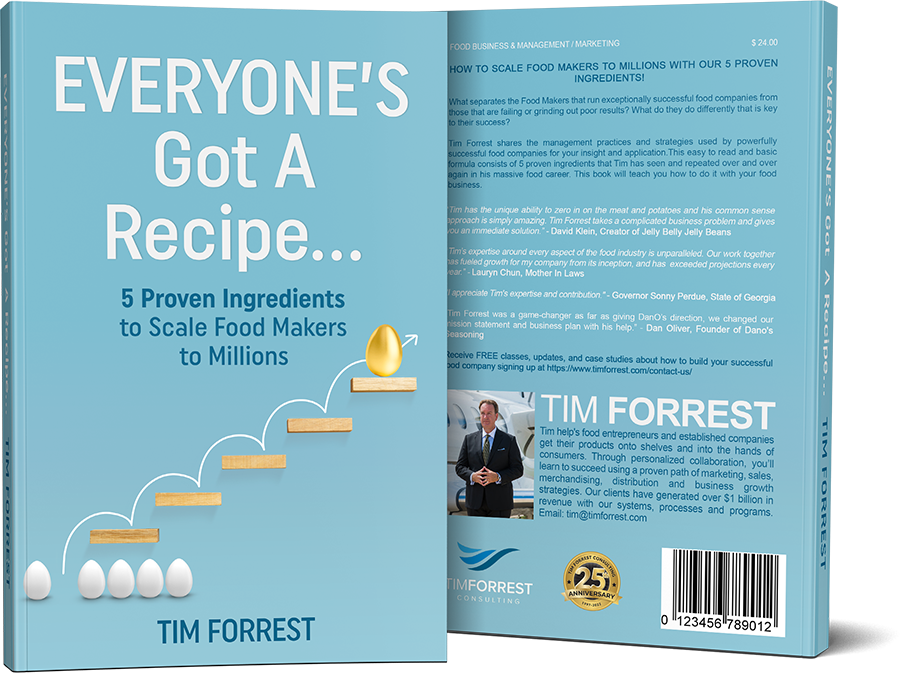
No one should have to figure this out alone. Working with a consultant or mentor can save years of trial and error. Tim Forrest has helped brands of all sizes solve import headaches, enter new markets, and boost sales without burning through capital.
Avoiding Retail Pitfalls and Growing with Confidence
Most mistakes happen when new brands chase retail shelves too soon. The cost of slotting, large inventory risk, and the pressure to move units can crush early-stage importers. Instead:
- Build up in local channels before pursuing supermarkets.
- Use small wins to improve your offer, build proof, and learn what works.
- Wait to target major retail until you have real sales data, clean supply chains, and a confident pitch.
Leveraging Professional Guidance for Long-Term Success
Invest in expert support for your next big step. A consultant can:
- Spot hidden regulatory traps before you ship.
- Identify local sales opportunities.
- Negotiate better deals with distributors or online platforms.
This isn’t about skipping hard work, it’s about doing the right work—in the right order.
Conclusion
Importing food to the US brings enormous possibilities, but requires care and smart planning. Know the agencies and rules, get the paperwork right, start small, and build a core group of loyal customers. Use the lessons from industry experts like Tim Forrest to stacks the odds in your favor.
If you’re ready to bring your food product to the US or want to grow an existing brand, tap into proven advice. Schedule your strategy session with Tim Forrest at www.timforrestmarkets.com and get on the fast track to a thriving US food business.
 “Hi I’m Tim, and I love the food business! I’ve been helping large and small companies and entrepreneurs achieve success for decades. My consulting projects have contributed to major successes for my clients, including many with 100%+ year-over-year growth rates. I enjoy sharing my expertise, and hope you find these blog posts enlightening. Please reach out to me with any questions or comments.”


Share This Story
Related Posts



Let’s Talk




What We Do
 We help food entrepreneurs and established companies get their products onto shelves and into the hands of consumers. Through personalized collaboration, you’ll learn to succeed using a proven path of marketing, sales, merchandising, distribution and business growth strategies. We’ve generated over $1 billion in revenue and company valuations for our clients. Let us put our expertise to work for you.


