
Preparing Your Food Shipment for Entry Into the U.S. Market
FDA Reviews Your Shipment Before It Lands in the United States
When a container of food products leaves a foreign port bound for the United States, many exporters believe the regulatory process begins only after the ship arrives. In reality, the review process begins long before the vessel reaches the harbor.
Imagine a shipment that is eighteen days away from Long Beach, California. While the container is still crossing the Pacific, U.S. regulators may already be reviewing the documentation connected to that shipment.
If the paperwork is incomplete or inaccurate, your container could face delays the moment it reaches the port.
For companies importing food into the United States, understanding this early review process is essential.
The FDA Begins Reviewing Your Shipment Before Arrival
Modern import systems rely on electronic documentation submitted in advance of arrival. U.S. Customs and Border Protection and the Food and Drug Administration receive shipment data before the vessel reaches the port.
This allows agencies to evaluate potential risks and determine whether the shipment should be released quickly or examined more closely.
Before arrival, the customs broker must upload key documentation into the import system. The FDA reviews this information as part of its preliminary screening process.
The review focuses on several factors, including:
-
The identity of the manufacturer
-
Product descriptions and classifications
-
The importer of record
-
Facility registration information
-
Prior Notice filings
If the information aligns correctly and no concerns are identified, the shipment is more likely to move through the port smoothly.
The Role of the Customs Broker
Your customs broker plays an important role in this process. The broker prepares and transmits the electronic entry data that regulators use for their review.
However, a broker can only work with the information provided by the importer and manufacturer. If product descriptions, manufacturer details, or documentation are incorrect, those errors will appear in the submission.
Importers should never assume that the broker will resolve compliance issues independently. The responsibility for accuracy ultimately rests with the company importing the goods.
Successful importers treat documentation as a strategic responsibility, not merely a logistical task.
Why FDA Facility Registration Matters
Every food facility that manufactures, processes, packs, or holds food intended for consumption in the United States must maintain a valid FDA registration.
This requirement applies to domestic facilities as well as overseas manufacturers.
During the preliminary review, the FDA verifies that the facility associated with the shipment has an active registration. If the registration is missing, expired, or linked to incorrect information, the shipment may encounter problems at the port.
Maintaining accurate facility registration is one of the fundamental steps in preparing for a successful import.
The Importance of Prior Notice
Another critical requirement for food shipments entering the United States is Prior Notice.
Prior Notice informs the FDA that a shipment of food is on its way. The filing includes details such as:
-
Product identity
-
Quantity and packaging information
-
Manufacturer and shipper details
-
Estimated arrival time
-
Port of entry
This submission must be accurate and completed before the shipment arrives. If Prior Notice is missing or incorrect, the container may be refused entry or held until the issue is corrected.
Even small discrepancies between Prior Notice data and shipping documents can trigger additional scrutiny.
What Happens When Documentation Is Incomplete
When a container reaches the port with documentation issues, several outcomes are possible.
The shipment may be:
-
Held for additional review
-
Selected for physical inspection
-
Sampled for laboratory analysis
-
Detained until documentation is corrected
During this time, storage and demurrage fees may accumulate. Distribution schedules may be disrupted, and relationships with retailers or distributors can be affected.
Many of these delays originate from preventable paperwork errors.
Preparing Your Shipment Before It Leaves the Dock
Companies that import successfully into the United States follow a structured preparation process before their goods are loaded into a container.
This process typically includes:
-
Confirming FDA facility registration
-
Verifying label compliance with U.S. regulations
-
Ensuring Prior Notice information matches shipping documents
-
Reviewing product classifications and tariff codes
-
Coordinating closely with the customs broker
Taking these steps before the shipment leaves the foreign port reduces the likelihood of complications when the container reaches the United States.
Why the First Shipment Matters
For many brands entering the U.S. market, the first shipment establishes credibility with regulators, distributors, and retailers.
If the initial container encounters delays due to documentation problems, the consequences can extend beyond financial costs. Retail partners expect reliability and professional execution.
A smooth first entry creates confidence and sets the foundation for future growth.
Building a Reliable Import Process
The United States represents one of the largest food markets in the world. However, access to that market requires preparation and attention to regulatory detail.
Understanding that the FDA begins reviewing your shipment before it arrives is an important step toward building a dependable import process.
Companies that succeed in the U.S. market invest time in compliance planning, documentation accuracy, and clear coordination with their import partners.
Preparation before the container departs can prevent costly delays after it arrives.
Ready to Prepare Your Shipment for the U.S. Market?
If you are planning to import food into the United States and want to ensure your documentation, registration, and Prior Notice filings are prepared correctly before your shipment reaches the port, schedule time with Tim Forrest.
Visit www.timforrestmarkets.com to book your strategy call.
Proper preparation keeps your container moving and helps ensure that your first shipment is not your last.
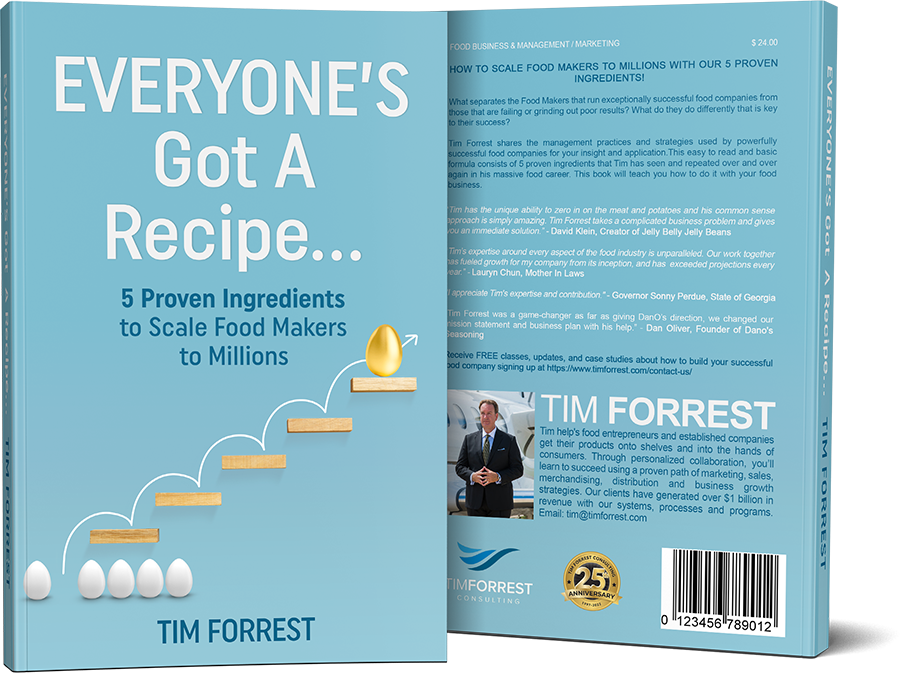
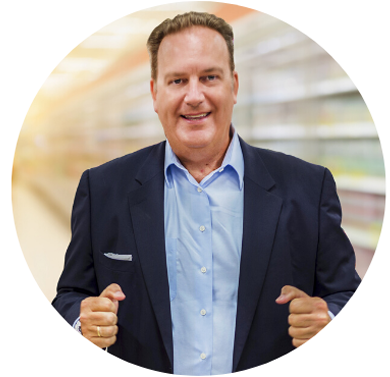 “Hi I’m Tim, and I love the food business! I’ve been helping large and small companies and entrepreneurs achieve success for decades. My consulting projects have contributed to major successes for my clients, including many with 100%+ year-over-year growth rates. I enjoy sharing my expertise, and hope you find these blog posts enlightening. Please reach out to me with any questions or comments.”


Share This Story
Related Posts



Let’s Talk




What We Do
 We help food entrepreneurs and established companies get their products onto shelves and into the hands of consumers. Through personalized collaboration, you’ll learn to succeed using a proven path of marketing, sales, merchandising, distribution and business growth strategies. We’ve generated over $1 billion in revenue and company valuations for our clients. Let us put our expertise to work for you.


