
Three Critical Checks Before Importing Food Into the United States
Importing food into the United States can open the door to one of the largest consumer markets in the world. However, that opportunity comes with strict regulatory oversight.
Many import delays happen because companies overlook a few essential compliance steps before the shipment even leaves the factory. Once the container is on the water, correcting mistakes becomes expensive and complicated.
Before your shipment begins its journey, three important checks should be completed. These checks protect your product from delays at the port and help ensure that regulators can review your documentation without raising concerns.
The three areas to confirm are facility registration, Prior Notice, and the Foreign Supplier Verification Program.
Check One: Confirm FDA Facility Registration
Every facility that manufactures, processes, packs, or holds food intended for the United States must be registered with the Food and Drug Administration. This requirement applies to both domestic and foreign facilities.
When a shipment is reviewed electronically before arrival, the FDA compares the manufacturer listed on the entry documents with its facility registration database. If the facility name or address does not match the registration information, the system may flag the shipment for additional review.
Even small inconsistencies can create delays. A facility may have recently changed its name, updated its address, or modified its ownership structure. If those updates are not reflected in the FDA registration, regulators may question the accuracy of the shipment data.
Before loading the container, importers should verify that the registration is active and that the details match the information appearing on invoices, packing lists, and shipping documents.
A few minutes of verification can prevent days of delay at the port.
Check Two: Ensure Prior Notice Matches the Shipment
Prior Notice is a required submission that informs the FDA about incoming food shipments. The notice provides regulators with information about the product, manufacturer, quantity, and estimated arrival time.
The key word here is accuracy.
The data in the Prior Notice filing must match the shipping documentation. If the product description, quantity, or manufacturer information differs from what appears on the commercial invoice or bill of lading, the FDA system may identify the discrepancy.
When this happens, the shipment may be held until the information is corrected.
Prior Notice should be reviewed carefully before submission. Importers should confirm that the following elements are consistent across all documents:
-
Product identity and description
-
Manufacturer information
-
Quantity and packaging details
-
Port of entry
-
Estimated arrival information
Consistency across these records helps regulators process the shipment efficiently.
Check Three: Assign Foreign Supplier Verification Program Responsibility
The Foreign Supplier Verification Program, often referred to as FSVP, is one of the most important compliance responsibilities for food imports.
Under this program, a designated U.S. importer must verify that the foreign supplier produces food in accordance with U.S. safety standards. The importer must maintain records demonstrating that the supplier has been evaluated and that the product meets regulatory requirements.
In practical terms, this means someone in the United States must be responsible for confirming that the foreign manufacturer follows appropriate food safety practices.
FSVP records should be prepared and accessible before the shipment arrives. If regulators request documentation and it cannot be produced, the shipment may face detention.
Importers who plan ahead maintain organized records that demonstrate supplier evaluation, hazard analysis, and verification procedures.
Why These Three Checks Matter
The import review process often begins before a vessel reaches a U.S. port. Regulators analyze shipment data electronically and identify entries that require closer examination.
If facility registration information is inconsistent, if Prior Notice data does not align with shipping documents, or if FSVP responsibilities are unclear, the shipment may be selected for inspection or detention.
Once a container is held, costs begin to accumulate quickly. Storage charges, demurrage fees, and delays in distribution can disrupt retail commitments and strain business relationships.
Preventing these problems is far easier than resolving them after the shipment arrives.
Building a Reliable Import Process
Successful food importers treat compliance as a core part of their supply chain strategy. Instead of reacting to regulatory issues, they build processes that prevent problems from occurring.
This includes:
-
Reviewing documentation before production is finalized
-
Confirming registration and importer responsibilities
-
Coordinating closely with customs brokers and logistics partners
-
Maintaining clear records for regulatory review
These practices help ensure that shipments move efficiently from port to warehouse.
Preparing for Long-Term Success in the U.S. Market
The United States offers tremendous opportunities for international food brands, but entering the market requires discipline and preparation.
Completing these three checks before your shipment leaves the factory helps establish a strong foundation for your import operations.
Accurate documentation and clear compliance responsibilities demonstrate professionalism to regulators, distributors, and retail partners alike.
Ready to Prepare Your First Shipment?
If you are planning to import food into the United States and want guidance on facility registration, Prior Notice submissions, or FSVP responsibilities, schedule time with Tim Forrest.
Visit www.timforrestmarkets.com to book your strategy call.
Preparation before the shipment departs can protect your container and your reputation in the U.S. market.
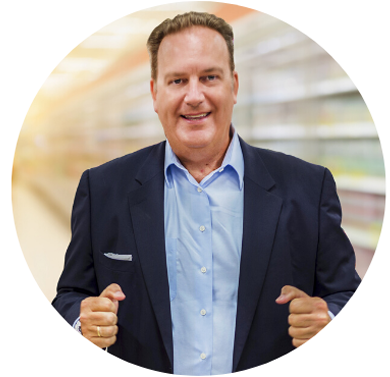 “Hi I’m Tim, and I love the food business! I’ve been helping large and small companies and entrepreneurs achieve success for decades. My consulting projects have contributed to major successes for my clients, including many with 100%+ year-over-year growth rates. I enjoy sharing my expertise, and hope you find these blog posts enlightening. Please reach out to me with any questions or comments.”


Share This Story
Related Posts




Let’s Talk




What We Do
 We help food entrepreneurs and established companies get their products onto shelves and into the hands of consumers. Through personalized collaboration, you’ll learn to succeed using a proven path of marketing, sales, merchandising, distribution and business growth strategies. We’ve generated over $1 billion in revenue and company valuations for our clients. Let us put our expertise to work for you.


