
What Every Food Importer Should Know About U.S. Port Inspections
Shipping a container of food products to the United States may appear straightforward. You load the goods, confirm the booking, and track the vessel across the ocean. Then the container arrives at the port, ready for distribution.
That is the ideal scenario.
In reality, long before you ever see that container, multiple agencies have already reviewed your shipment electronically. Decisions may have been made. Flags may have been raised. Questions may already be forming.
If your documentation is incomplete or inaccurate, your shipment may not move beyond the port.
Understanding what happens before your container reaches you is critical to protecting your brand, your cash flow, and your retailer relationships.
The Electronic Review Begins Before Arrival
When a container is bound for the United States, information about the shipment is transmitted in advance. U.S. Customs and Border Protection and the Food and Drug Administration review documentation electronically before the vessel docks.
This review includes:
-
Importer of record details
-
Manufacturer information
-
Product descriptions
-
Harmonized tariff classifications
-
FDA facility registration numbers
-
Prior Notice submissions
-
Country of origin declarations
The agencies do not wait until the container is opened. Risk assessment begins before physical arrival.
If the information does not align properly, your shipment may be selected for examination or detention.
The Role of Prior Notice
For food imports, Prior Notice must be submitted to the FDA before arrival. This filing informs the agency about the shipment, including product identity, quantity, manufacturer, and anticipated arrival time.
Errors in Prior Notice are one of the most common causes of delays.
If the information in Prior Notice does not match shipping documents, the system flags it. Even minor inconsistencies can create questions that require clarification before release.
Precision matters.
Importer of Record and FSVP Responsibilities
Your container is also evaluated based on who is listed as the Importer of Record and who carries the Foreign Supplier Verification Program responsibility.
If these roles are unclear or improperly designated, regulators may pause the shipment.
The Importer of Record is financially and legally accountable for the entry.
The FSVP importer is responsible for verifying that the foreign supplier meets U.S. food safety standards.
If either party lacks proper documentation, your container may sit at the port while issues are resolved.
Possible Outcomes at the Port
Once your shipment arrives, several scenarios are possible:
-
Immediate release.
-
Documentation review without physical inspection.
-
Physical examination of the container.
-
Sampling for laboratory analysis.
-
Detention pending further documentation.
The outcome depends largely on the accuracy of your paperwork, your compliance history, and the risk profile of your product category.
Shipments from manufacturers with a strong compliance record move more smoothly. Those from facilities with prior violations face greater scrutiny.
The Cost of Delays
When a container is held at the port, expenses accumulate quickly.
These may include:
-
Demurrage charges
-
Storage fees
-
Inspection costs
-
Laboratory testing fees
-
Reconditioning expenses if labeling corrections are required
Beyond financial costs, delays can disrupt retailer timelines and damage distributor relationships.
Retail buyers expect reliability. A missed delivery window can affect future purchase orders.
Why Many First Shipments Encounter Problems
New importers often underestimate the complexity of U.S. entry procedures. They assume that registration numbers or a customs broker will resolve all compliance matters.
However, brokers process documentation. They do not guarantee regulatory compliance.
Successful importers treat documentation as a strategic function rather than a clerical task.
Before shipping, they verify:
-
Label compliance under FDA regulations
-
Correct product classification
-
Accurate facility registration
-
FSVP documentation readiness
-
Consistency across all shipping documents
Preparation reduces uncertainty at the port.
Building a Reliable Import Process
Importing food into the United States requires discipline and foresight. The container’s journey does not begin at the port. It begins at your production line and in your documentation review process.
Brands that succeed in the U.S. market develop structured systems for:
-
Pre-shipment compliance audits
-
Documentation verification
-
Supplier oversight
-
Clear importer designation
-
Continuous monitoring of regulatory updates
This approach transforms importation from a risky transaction into a predictable operation.
Protecting Your First Shipment
Your first shipment sets the tone for your relationship with regulators, distributors, and retailers.
If that shipment is delayed due to preventable documentation errors, the impact extends beyond one container.
Do not allow incomplete paperwork to define your U.S. market entry.
Ready to Import With Confidence?
If you are preparing to ship food to the United States and want to ensure your documentation and compliance framework are aligned before your container arrives, schedule time with Tim Forrest.
Visit www.timforrestmarkets.com to book your strategy call.
Do not let your first shipment be your last.
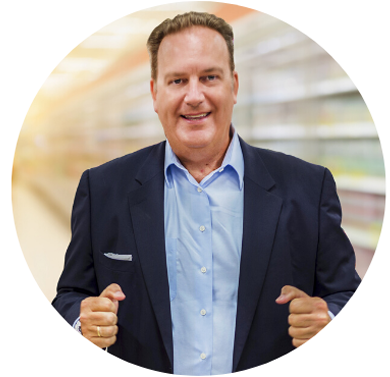 “Hi I’m Tim, and I love the food business! I’ve been helping large and small companies and entrepreneurs achieve success for decades. My consulting projects have contributed to major successes for my clients, including many with 100%+ year-over-year growth rates. I enjoy sharing my expertise, and hope you find these blog posts enlightening. Please reach out to me with any questions or comments.”


Share This Story
Related Posts





Let’s Talk




What We Do
 We help food entrepreneurs and established companies get their products onto shelves and into the hands of consumers. Through personalized collaboration, you’ll learn to succeed using a proven path of marketing, sales, merchandising, distribution and business growth strategies. We’ve generated over $1 billion in revenue and company valuations for our clients. Let us put our expertise to work for you.


