
Why Food Imports Get Denied at U.S. Customs (And How to Avoid It)
The Top 10 Reasons Food Imports Are Denied Entry into the United States
(And How to Avoid Costly Delays and Rejections)
Few things are more frustrating for an international food brand than hearing the words: “Your shipment has been denied entry.”
When a food product is stopped at a U.S. port, the consequences are immediate and expensive—demurrage fees, storage charges, relabeling costs, shipment destruction, or even forced re-export. In many cases, brands lose not only money, but also credibility with buyers, distributors, and partners.
In this video, Tim Forrest, who has spent over 30 years helping international food brands enter and grow in the U.S. market, breaks down the top 10 reasons food imports are denied entry by U.S. authorities. Understanding these reasons—and preparing for them in advance—is one of the most important steps any food importer can take.
Why Food Imports Get Stopped at U.S. Customs
The United States has one of the most regulated food systems in the world. Agencies such as the FDA, U.S. Customs and Border Protection (CBP), and other partner government agencies are responsible for protecting public health and ensuring food safety.
Contrary to popular belief, most import rejections are not random. They are the result of preventable issues—many of which occur because brands assume their product is “already compliant” based on rules in their home country.
U.S. food regulations are unique, detailed, and unforgiving when overlooked.
The Top 10 Reasons Food Imports Are Denied Entry
1. Labeling Errors
Incorrect or incomplete labeling is one of the most common reasons shipments are rejected. This includes:
-
Missing required statements
-
Incorrect ingredient declarations
-
Improper allergen disclosures
-
Non-compliant Nutrition Facts Panels
Even small formatting errors can trigger a hold or refusal.
2. Misbranded Products
A product is considered misbranded when its label is misleading or does not accurately represent what’s inside the package. Claims that are acceptable in other countries may violate U.S. regulations.
3. Allergen Compliance Failures
Failure to properly declare major allergens under U.S. law can result in immediate refusal. Allergen compliance is a top FDA priority and carries zero tolerance.
4. Missing or Incorrect Prior Notice
Every food shipment entering the U.S. must have a valid FDA Prior Notice submitted before arrival. Missing, late, or incorrect Prior Notice information almost guarantees a shipment delay or denial.
5. Facility Registration Issues
All foreign facilities manufacturing, processing, packing, or holding food for U.S. consumption must be registered with the FDA. If a facility is not properly registered—or the registration is outdated—the shipment can be stopped.
6. FSVP (Foreign Supplier Verification Program) Non-Compliance
U.S. importers are legally responsible for verifying that their foreign suppliers meet FDA safety standards. If FSVP documentation is missing, incomplete, or incorrect, the shipment may be refused.
7. Food Safety Concerns
Evidence or suspicion of contamination, adulteration, or unsafe handling can result in detention or refusal. This includes temperature abuse, improper packaging materials, or sanitation concerns.
8. Incorrect Product Classification
FDA product codes must accurately reflect the food category and processing method. Incorrect codes can lead to mismatched compliance requirements and increased scrutiny.
9. Documentation Mismatches
Discrepancies between invoices, packing lists, labels, and FDA filings often trigger inspections or holds. Consistency across all documentation is essential.
10. History of Non-Compliance
If a company, facility, or product has a history of violations, future shipments may be flagged automatically. Past mistakes can continue to affect new shipments if not properly resolved.
Why Import Denials Are So Costly
When a shipment is denied entry, the costs go far beyond freight:
-
Port storage and demurrage fees
-
Relabeling or rework expenses
-
Product spoilage or destruction
-
Lost retailer confidence
-
Delayed launches and missed sales windows
In many cases, the cost of fixing an issue at the port is 10x more expensive than addressing it before the shipment leaves the country of origin.
How to Prevent Import Rejections Before They Happen
Tim emphasizes that successful food importation is proactive, not reactive. The brands that move smoothly through U.S. ports have:
-
FDA-compliant labels reviewed in advance
-
Proper facility registration and FSVP alignment
-
Accurate Prior Notice and documentation
-
A clear understanding of U.S. food regulations
-
Expert oversight before shipping
This is where experience matters. Knowing what regulators look for—and how they interpret the rules—can mean the difference between clearance and rejection.
A Proven Approach to Seamless U.S. Market Entry
Tim Forrest Consulting has helped international food brands across multiple categories navigate FDA compliance, labeling, documentation, and import strategy. The goal is simple: get your product through U.S. ports and into American households without costly surprises.
As Tim often explains, “The port is not the place to learn the rules.”
Ready to Import Your Food Product with Confidence?
If you have an innovative food product or a growing international brand and want to avoid import denials, delays, and costly mistakes, expert guidance can save you time, money, and frustration.
👉 Schedule an appointment with Tim Forrest at
www.timforrest.com
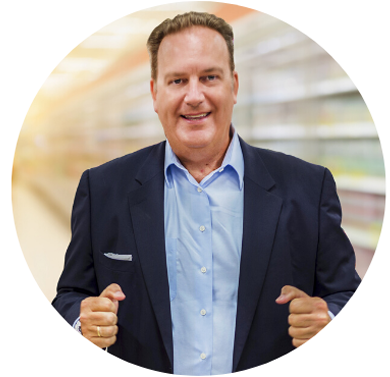 “Hi I’m Tim, and I love the food business! I’ve been helping large and small companies and entrepreneurs achieve success for decades. My consulting projects have contributed to major successes for my clients, including many with 100%+ year-over-year growth rates. I enjoy sharing my expertise, and hope you find these blog posts enlightening. Please reach out to me with any questions or comments.”

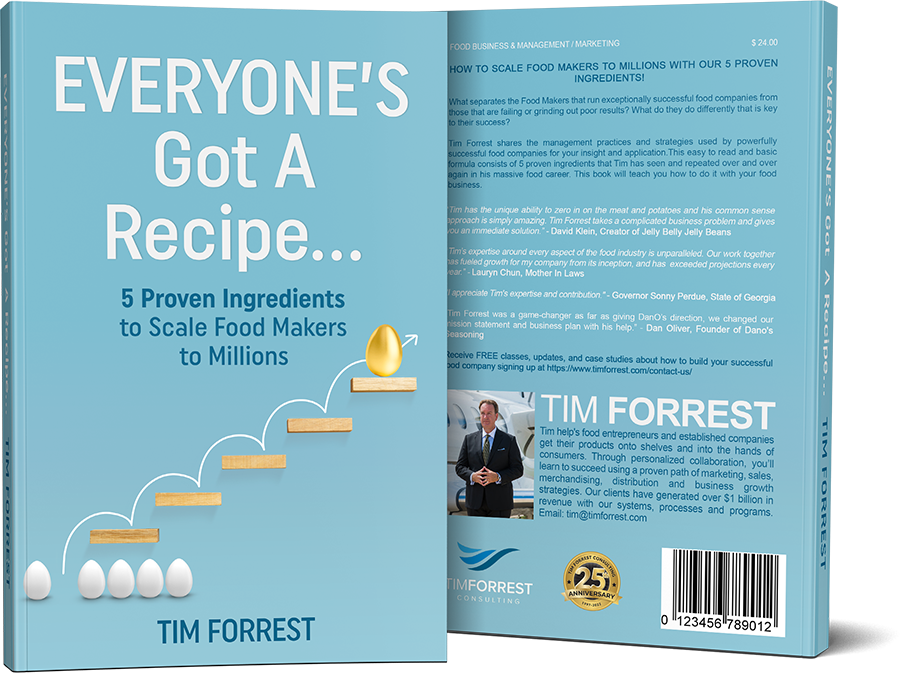

Share This Story
Related Posts




Let’s Talk




What We Do
 We help food entrepreneurs and established companies get their products onto shelves and into the hands of consumers. Through personalized collaboration, you’ll learn to succeed using a proven path of marketing, sales, merchandising, distribution and business growth strategies. We’ve generated over $1 billion in revenue and company valuations for our clients. Let us put our expertise to work for you.


