
Avoid FDA Recalls by Fixing This Common Labeling Mistake
There is one labeling mistake that can shut down your product faster than almost anything else in the food industry.
It is not pricing.
It is not packaging design.
It is not distribution.
It is missing an allergen on your label.
When that happens, the FDA does not send a warning letter first. In many cases, they move directly to a recall.
If you are importing food into the United States, this is not a small detail. It is a critical compliance requirement that protects consumers and determines whether your product stays on the shelf.
Why Allergen Labeling Is Taken So Seriously
Food allergens are a major public health concern in the United States. Even trace amounts of undeclared allergens can cause severe reactions.
Because of this, U.S. regulations require clear disclosure of major allergens such as:
- Milk
- Eggs
- Peanuts
- Tree nuts
- Soy
- Wheat
- Fish
- Shellfish
- Sesame
If your product contains any of these ingredients, they must be declared correctly on the label.
There is no flexibility here. There is no grace period.
If an allergen is missing or incorrectly listed, the product is considered misbranded and potentially unsafe.
What Happens When an Allergen Is Missing
When the FDA identifies an undeclared allergen, the response is immediate.
Possible outcomes include:
- Product recall from the market
- Removal from retail shelves
- Public notification
- Loss of retailer confidence
- Financial loss tied to inventory and logistics
For imported products, the issue can begin even earlier. The shipment may be flagged at the port, delayed, or refused entry altogether.
One labeling error can stop your entire supply chain.
Why This Happens More Often Than You Think
Many international brands assume their existing labels meet U.S. requirements. In reality, labeling rules vary significantly from country to country.
Common causes of allergen-related issues include:
- Ingredients listed without clear allergen identification
- Differences in naming conventions between countries
- Missing “Contains” statements
- Cross-contact risks not properly addressed
- Label translations that omit critical details
These mistakes are rarely intentional. They are usually the result of misunderstanding U.S. labeling standards.
Allergen Labeling Is Only One Piece of the Puzzle
While undeclared allergens are one of the fastest ways to trigger a recall, they are not the only labeling risks.
Other common FDA labeling mistakes include:
- Incorrect Nutrition Facts formatting
- Missing or inaccurate ingredient statements
- Improper product identity
- Net quantity errors
- Misleading claims
Each of these issues can lead to delays, detention, or enforcement actions.
Understanding the full scope of labeling requirements is essential for any brand entering the U.S. market.
Why Label Compliance Should Be Handled Before Production
One of the biggest mistakes food brands make is treating labeling as a final step.
By the time your packaging is printed, your options are limited.
Smart companies review and validate their labels before production begins. This ensures that:
- All allergens are properly declared
- Label structure meets FDA requirements
- Product identity is clear and compliant
- No rework is needed at the port
Correcting a label before printing costs very little. Correcting it after shipping can cost everything.
Protecting Your Brand in the U.S. Market
The United States is one of the most valuable food markets in the world. However, it is also one of the most regulated.
Retailers expect products to be fully compliant before they ever reach the shelf. Regulators expect accuracy. Consumers expect safety.
A single labeling mistake can damage all three.
Brands that succeed in this market treat compliance as part of their growth strategy, not an afterthought.
Want to See the Full Breakdown?
This article covers one of the most critical labeling risks, but there are several others that can affect your product.
Watch the full breakdown of the five most common FDA label mistakes here:
👉 https://youtu.be/FLKMSqhiK6Q
Ready to Review Your Label Before You Ship?
If you are importing food into the United States and want to ensure your label meets FDA requirements, schedule time with Tim Forrest.
👉 Book your strategy call at: www.timforrestmarkets.com
You can also download the free FDA Label Checklist here:
👉 https://tinyurl.com/FDAImporting
One label can stop your shipment. The right preparation keeps it moving.
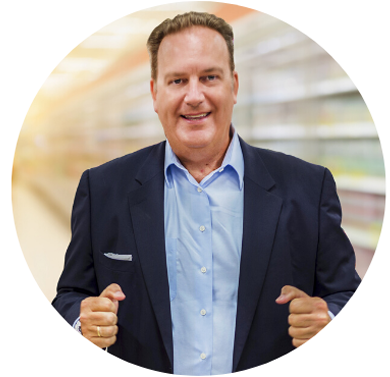 “Hi I’m Tim, and I love the food business! I’ve been helping large and small companies and entrepreneurs achieve success for decades. My consulting projects have contributed to major successes for my clients, including many with 100%+ year-over-year growth rates. I enjoy sharing my expertise, and hope you find these blog posts enlightening. Please reach out to me with any questions or comments.”

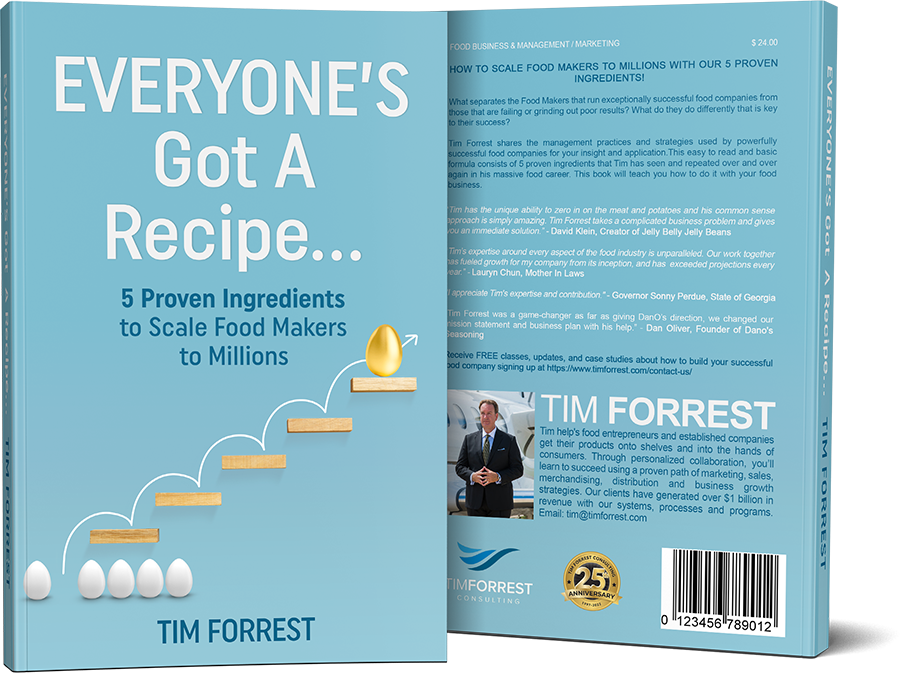

Share This Story
Related Posts



Let’s Talk



What We Do
 We help food entrepreneurs and established companies get their products onto shelves and into the hands of consumers. Through personalized collaboration, you’ll learn to succeed using a proven path of marketing, sales, merchandising, distribution and business growth strategies. We’ve generated over $1 billion in revenue and company valuations for our clients. Let us put our expertise to work for you.


