
Complete Guide to Finding and Working With Food Brokers
How to Choose the Right Food Broker for Your CPG Brand: A Complete Guide
By Tim Forrest Consulting
Finding the right food broker can make or break your retail strategy. According to industry data, food brokers handle approximately 80% of all product introductions to major retailers, making this one of the most critical partnerships you’ll form as a growing CPG brand.
We’ve worked with hundreds of brands on broker relationships. Here’s what actually works.
Understanding the Food Broker Landscape
The food brokerage industry has evolved significantly. Today’s brokers operate in an increasingly consolidated retail environment where the top 10 grocery retailers control over 60% of U.S. food sales. This concentration means the right broker relationship isn’t just helpful—it’s essential for accessing major distribution channels.
1. Know What Brokers Do (and Don’t Do)
Brokers connect you to retailers through established relationships. They pitch your product, secure meetings with buyers, manage promotions, and handle merchandising execution. But here’s what they don’t do: create consumer demand or fix fundamental product issues.
Research shows that products with strong brand awareness and existing consumer demand are 3-4 times more likely to succeed with broker representation. Your packaging, pricing, positioning, and product quality need to be retail-ready before a broker can effectively sell you in.
2. Match Category Expertise to Your Product
Not all brokers are created equal. Specialization matters enormously in today’s fragmented retail landscape.
If you’re selling natural snacks, you need a broker with deep relationships in Whole Foods, Sprouts, or natural channel retailers—not someone who primarily works conventional grocery. Category-specific brokers typically achieve 40-60% higher placement rates than generalists because they understand buyer preferences, competitive dynamics, and shelf set timing.
Ask potential brokers:
- Which retailers do you currently work with in my category?
- How many brands in my category do you represent?
- What percentage of your portfolio competes directly with my product?
3. Evaluate Track Record and Reputation
Good brokers have demonstrable results. Request case studies showing how they’ve grown brands similar to yours. Ask for buyer references—yes, actual retail buyers who can speak to their professionalism and follow-through.
According to a 2024 survey of retail buyers, 78% said they’re more receptive to pitches from brokers with proven track records in specific categories. Your broker’s reputation directly impacts your chances of getting that first meeting.
Red flags to watch for:
- Unwillingness to share references
- Vague or exaggerated success claims
- Too many competing brands in their portfolio
- Poor communication during the vetting process
4. Define Expectations and Structure Early
Professional brokers operate with clear agreements. Before signing, clarify:
Commission structure: Standard rates range from 3-7% depending on category, territory, and services provided. Natural and specialty products typically command 5-7%, while conventional grocery averages 3-5%.
Territory coverage: Be specific about geographic regions and retail channels. Will they cover all retailers in a region or only specific accounts?
Exclusivity terms: How long is the commitment? What are the termination clauses? Most agreements run 1-3 years with 30-90 day out clauses.
Performance metrics: What defines success? Set clear goals for new placements, distribution points, and sales velocity.
If a broker promises explosive growth in 90 days, that’s a red flag. Real retail expansion takes 6-18 months depending on category and retail chain decision cycles.
5. Understand the Retailer-Broker Dynamic
Buyers typically meet with their brokers weekly or biweekly to review category performance and evaluate new items. Your broker’s relationship strength directly correlates with how much face time they get and how seriously buyers take their recommendations.
The best brokers are consultative partners to buyers—they understand category trends, competitive dynamics, and what drives sales in specific retailers. They don’t just pitch products; they solve category problems.
6. Build a True Partnership
This isn’t a “set it and forget it” relationship. Successful broker partnerships require ongoing collaboration:
Communication cadence: Establish weekly or biweekly check-ins. Share sell-through data, promotional calendars, and competitive intelligence.
Marketing support: Provide brokers with sell sheets, samples, demo materials, and promotional funds. Brands that actively support their brokers with marketing assets see 35% better placement rates.
Responsiveness: When a broker requests information for a buyer meeting, respond within 24 hours. Retail windows close fast.
Transparency: Share both wins and challenges. If your manufacturing is delayed or you’re having supply issues, tell your broker immediately.
7. Red Flags That Should Make You Walk Away
- Requesting upfront fees beyond reasonable sample costs
- Representing too many competing brands (more than 2-3 in your exact category)
- Making unrealistic promises about placement timing
- Poor communication during the courtship phase
- Unwillingness to put terms in writing
- No established relationships with your target retailers
When to Consider Going Direct vs. Using a Broker
Emerging brands with limited budgets often start by selling direct to independent retailers or regional chains. This approach works when you’re building proof of concept and learning retail fundamentals.
Consider brokers when:
- You’re ready to scale beyond 20-30 store locations
- You’re targeting major regional or national chains
- You lack existing relationships with target retailers
- You need local market expertise and execution support
Measuring Broker Performance
Track these metrics quarterly:
- Number of new placement meetings secured
- Conversion rate (meetings to actual placements)
- Total distribution points added
- Sales velocity by account
- Out-of-stock rates and merchandising execution
Top-performing broker relationships typically show measurable distribution growth within 6 months and positive ROI within 12-18 months.
Final Thoughts
The right food broker understands your category, has the relationships you need, communicates like a professional, and treats your brand like it matters. It’s not about finding someone perfect—it’s about finding someone who fits your current stage and growth trajectory.
Remember: a broker amplifies what you’ve already built. They can’t fix broken fundamentals, but they can accelerate a solid product with the right positioning.
🎥 Watch Tim break down the broker selection process, common pitfalls, and what successful partnerships actually look like.
👉 Need help navigating broker relationships or retail strategy? Talk to Tim at www.TimForrest.com
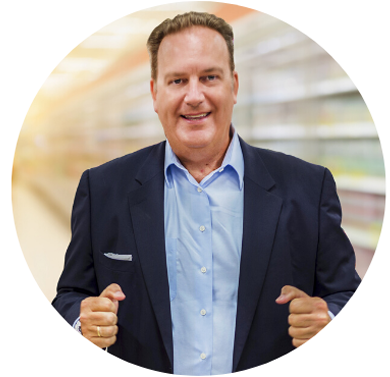 “Hi I’m Tim, and I love the food business! I’ve been helping large and small companies and entrepreneurs achieve success for decades. My consulting projects have contributed to major successes for my clients, including many with 100%+ year-over-year growth rates. I enjoy sharing my expertise, and hope you find these blog posts enlightening. Please reach out to me with any questions or comments.”



Share This Story
Related Posts



Let’s Talk




What We Do
 We help food entrepreneurs and established companies get their products onto shelves and into the hands of consumers. Through personalized collaboration, you’ll learn to succeed using a proven path of marketing, sales, merchandising, distribution and business growth strategies. We’ve generated over $1 billion in revenue and company valuations for our clients. Let us put our expertise to work for you.


