Do You Need a U.S. FDA Agent to Import Food Into the United States?
If you are an overseas food manufacturer planning to ship products into the United States, there is one requirement you cannot overlook: appointing a U.S.-based FDA agent.
Many international brands focus on labeling, logistics, and distributor relationships. Fewer understand that without a properly designated FDA agent, their facility registration is incomplete, and their import process may stall before it even begins.
In this article, we will clarify why a U.S. FDA agent is required, what their role entails, and how they support foreign food facilities under U.S. law.
Why a U.S. FDA Agent Is Required
Under the Food Safety Modernization Act (FSMA), all foreign food facilities that manufacture, process, pack, or hold food for consumption in the United States must register with the FDA.
As part of that registration, foreign facilities are required to designate a U.S. agent. This agent must have a physical presence in the United States.
The purpose is straightforward. The FDA needs a reliable, domestic point of contact for communications related to inspections, compliance inquiries, enforcement actions, and regulatory notifications.
Without a U.S. FDA agent listed in your facility registration, your registration will not be considered valid.
What Does a U.S. FDA Agent Actually Do?
There is widespread confusion about the scope of this role. A U.S. FDA agent is not:
-
An importer of record
-
An FSVP importer
-
A customs broker
-
A distributor
-
A guarantor of product approval
The U.S. FDA agent serves as the official communication liaison between your foreign facility and the FDA.
Their responsibilities include:
-
Receiving FDA correspondence on behalf of the facility
-
Assisting in scheduling FDA inspections
-
Facilitating communication during regulatory reviews
-
Helping ensure responses to FDA inquiries are timely and accurate
The agent does not assume responsibility for food safety compliance. However, they play a critical role in ensuring that communication gaps do not create regulatory exposure.
Why This Role Matters More Than Many Brands Realize
When the FDA needs to reach a foreign facility, it does not want delays caused by time zones, language barriers, or unclear contact information.
If there is a labeling concern, an import issue, or a need for inspection coordination, the FDA contacts the designated U.S. agent.
Failure to respond promptly can lead to:
-
Import delays
-
Heightened scrutiny
-
Placement on Import Alert
-
Suspension of facility registration
This is why choosing a knowledgeable and responsive FDA agent is essential. It is not merely a formality. It is a risk management decision.
The Difference Between a U.S. FDA Agent and an FSVP Importer
Another area of confusion involves the distinction between the FDA agent and the FSVP importer.
The FDA agent is a communication representative.
The FSVP importer is legally responsible for verifying that the foreign supplier complies with U.S. food safety standards.
These are separate roles with distinct legal responsibilities.
Foreign manufacturers must ensure they have:
-
A properly designated U.S. FDA agent
-
A clearly identified FSVP importer
-
Accurate and current facility registration
Confusing these roles can create serious compliance gaps.
What Happens If You Do Not Have a U.S. FDA Agent
If your FDA registration does not include a valid U.S. agent:
-
Your facility registration may be deemed incomplete
-
Your shipments may face delays
-
Regulatory communication may not reach you
-
Your ability to import could be compromised
In severe cases, the FDA can cancel a facility registration if requirements are not maintained.
Selecting the Right U.S. FDA Agent
Not all agents provide the same level of support. When choosing a U.S. FDA agent, consider:
-
Experience with food import regulations
-
Familiarity with FDA inspection protocols
-
Responsiveness to regulatory inquiries
-
Understanding of international food operations
-
Ability to coordinate with your compliance and legal teams
This role requires more than an address in the United States. It requires regulatory awareness and disciplined communication.
Importing Food to the United States Requires Structure
Designating a U.S. FDA agent is one component of a broader compliance framework that includes:
-
Accurate labeling in accordance with FDA requirements
-
FSVP compliance and documentation
-
Proper importer of record designation
-
Clear supply chain transparency
-
Proactive regulatory planning
International brands that approach the U.S. market with structure and foresight build smoother entry paths and stronger retail relationships.
Preparing for Long-Term Success in the U.S. Market
The United States represents a significant portion of global food consumption in many categories. However, entry requires preparation.
A properly designated U.S. FDA agent is not just a checkbox. It is part of a disciplined approach to regulatory compliance that protects your shipments, your brand reputation, and your long-term growth.
If you are planning to import food into the United States, take the time to confirm that your registration, agent designation, and compliance structure are fully aligned.
Ready to Import With Confidence?
If you are an international food manufacturer preparing to enter the U.S. market and want clarity on FDA agent requirements, facility registration, or overall compliance strategy, schedule time with Tim Forrest.
Visit www.timforrestmarkets.com to book your strategy call.
Build your U.S. entry correctly from the beginning.
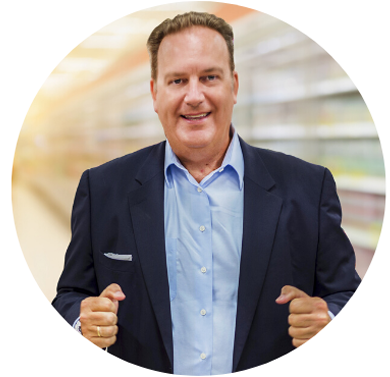 “Hi I’m Tim, and I love the food business! I’ve been helping large and small companies and entrepreneurs achieve success for decades. My consulting projects have contributed to major successes for my clients, including many with 100%+ year-over-year growth rates. I enjoy sharing my expertise, and hope you find these blog posts enlightening. Please reach out to me with any questions or comments.”


Share This Story
Related Posts



Let’s Talk




What We Do
 We help food entrepreneurs and established companies get their products onto shelves and into the hands of consumers. Through personalized collaboration, you’ll learn to succeed using a proven path of marketing, sales, merchandising, distribution and business growth strategies. We’ve generated over $1 billion in revenue and company valuations for our clients. Let us put our expertise to work for you.