
Costco’s Delivery Expansion Creates a New Opportunity for Food Brands

Costco’s expansion onto DoorDash and Uber Eats is changing how members access its products, creating new opportunities for brands already on its shelves and raising the stakes for companies still trying to secure placement. For food manufacturers and international brands importing products into the USA, the development is another reason to take U.S. retail readiness seriously.
In September 2026, Costco expanded its Uber Eats partnership to 47 states and launched a nationwide partnership with DoorDash. Together, the partnerships make products from nearly 600 Costco warehouses available through delivery platforms, giving customers another way to shop without visiting a warehouse in person. Costco already has a membership base of approximately 81 million worldwide, making this an important development for brands looking to reach more consumers through an established retail channel.
What This Means for Brands Already Selling at Costco
For brands already on Costco shelves, expanded delivery access creates an opportunity to reach customers beyond traditional warehouse shopping. Members who may not have time to visit a store can now discover and order products through their phones, potentially creating additional occasions for purchase.
This is particularly relevant for food products suited to Costco’s club-pack format. A product that once depended largely on in-warehouse shopping may now be accessible to members who prefer home delivery. While actual sales will depend on product demand, availability, pricing, and local delivery coverage, the expansion gives existing Costco suppliers another channel through which customers can find their products.
However, being available through a delivery platform does not guarantee stronger sales. Brands still need competitive pricing, reliable inventory, packaging that holds up through fulfillment, and a product that delivers value to Costco’s members. Retail placement creates an opportunity, but performance determines how well a brand capitalizes on it.
Why Costco Placement Matters More Now
For brands that have not yet secured Costco placement, the expanded delivery network adds another dimension to the opportunity. Getting into Costco has always required more than having a good product. Brands need to demonstrate that they can meet the retailer’s expectations for pricing, packaging, production capacity, supply reliability, and consumer demand.
With more ways for members to shop, the value of earning a place in Costco’s assortment may extend beyond the physical warehouse. A successful product could reach customers who shop in person as well as those who rely on delivery, although the exact availability of individual products can vary by location and platform.
That makes preparation essential. Brands need to understand where their products fit within Costco’s assortment, how their pricing compares with competing products, and whether they can consistently meet the volume requirements that come with retail growth.
A brand that approaches Costco without a clear retail strategy may struggle even if its product is promising. Buyers need confidence that a supplier can support the business after placement, not simply deliver an initial shipment.
Importing Food Into the USA? Retail Readiness Starts Before the Buyer Meeting
For international food brands planning to enter the American market, Costco can be an attractive retail target. But importing food into the USA requires preparation well before a product is presented to a buyer.
Brands must assess applicable FDA requirements, food safety obligations, labeling, supplier documentation, and import procedures. Depending on the product and the parties involved, requirements may include Foreign Supplier Verification Program (FSVP) responsibilities, facility registration, and compliance with U.S. food labeling rules. Meeting the applicable requirements is essential, but regulatory compliance alone does not make a product retail-ready.
Importers also need to evaluate landed costs, shipping timelines, production capacity, packaging specifications, and the ability to replenish inventory reliably. These factors become especially important when pursuing a retailer that expects competitive pricing and consistent supply.
For example, a food brand may have a product that performs well in its home country but discovers that its packaging, pricing, or production capacity needs adjustment for the U.S. market. Identifying those gaps before approaching a major retailer can save time and reduce costly changes later.
The objective is to build a business that can support a retail relationship, not simply secure a purchase order.
Getting on the Shelf Is Only the Beginning
Costco’s delivery expansion reinforces a broader point: distribution opportunities are evolving, and brands need to be ready to compete across more than one shopping environment. Companies already inside the retailer should assess how they can maintain inventory, support demand, and deliver a consistent customer experience. Brands still pursuing placement should focus on building a compelling product and a credible plan for serving the account.
“Costco on DoorDash and Uber Eats in the same week is not a logistics story. It is a distribution event. Every brand not on that shelf just lost ground,” said Tim Forrest.
The message for food businesses is straightforward. Retail opportunities reward preparation. Whether you are an established supplier looking to grow or an international company importing food into the USA for the first time, your product, compliance documentation, pricing, and supply chain all need to work together.
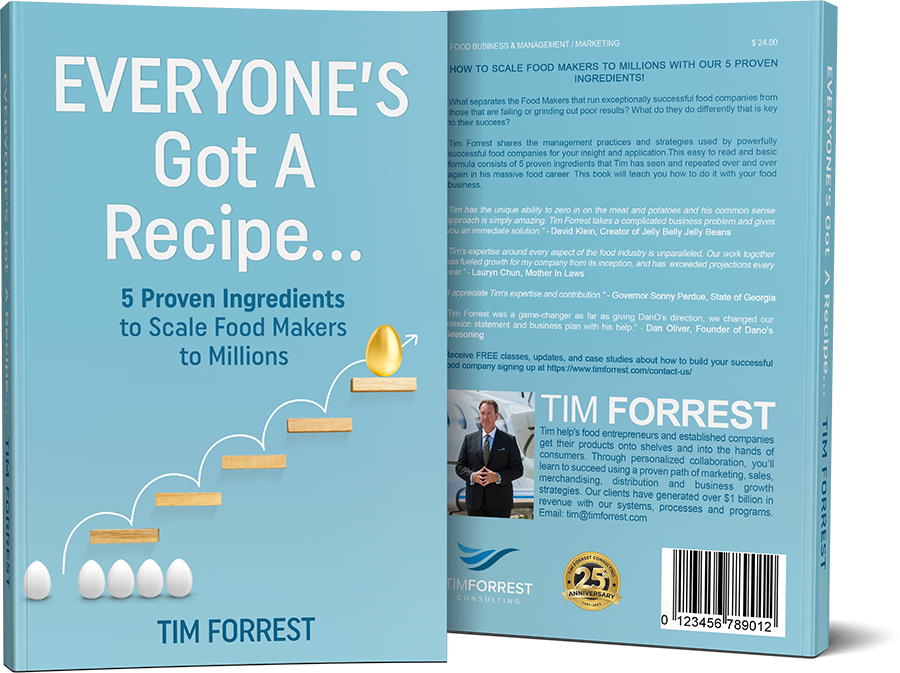
Tim Forrest Consulting has guided food brands and importers through FDA compliance, FSMA regulations, import readiness, and U.S. retail strategy since 1997. The firm has helped clients generate more than $1 billion in retail revenue and placed 23 brands into Costco.
If you are preparing to enter the U.S. market, pursuing Costco placement, or looking to strengthen your retail strategy, book a call at https://timforrestmarkets.com to discuss your next steps.
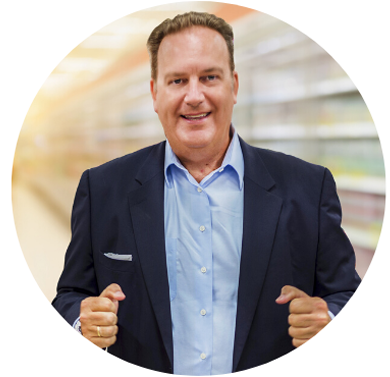 “Hi I’m Tim, and I love the food business! I’ve been helping large and small companies and entrepreneurs achieve success for decades. My consulting projects have contributed to major successes for my clients, including many with 100%+ year-over-year growth rates. I enjoy sharing my expertise, and hope you find these blog posts enlightening. Please reach out to me with any questions or comments.”


Share This Story
Related Posts




Let’s Talk



What We Do
 We help food entrepreneurs and established companies get their products onto shelves and into the hands of consumers. Through personalized collaboration, you’ll learn to succeed using a proven path of marketing, sales, merchandising, distribution and business growth strategies. We’ve generated over $1 billion in revenue and company valuations for our clients. Let us put our expertise to work for you.


