
How El Niño Could Raise Food Import Costs and Disrupt U.S. Supply Chains

El Niño could put new pressure on food import costs, especially for businesses sourcing rice, sugar, and grain-dependent ingredients. For food importers bringing products into the United States, the concern goes beyond higher commodity prices. Supply disruptions can affect purchasing decisions, shipping schedules, production costs, and the ability to keep products on shelves.
Climate analysts are warning of potentially severe agricultural impacts as El Niño conditions develop. Rice, sugar, and grains are among the commodities facing increased supply and price risks. In August 2026, raw sugar recorded its largest monthly price gain since October 2010, while grain prices and diesel costs also climbed. These developments are a reminder that global weather patterns can quickly become a problem for U.S. food importers.
The question is not simply whether prices will rise. It is whether your business is prepared if your usual supplier cannot deliver at the expected price, volume, or time.
Rice, Sugar, and Grain Costs Could Put Pressure on Your Margins
When agricultural production comes under pressure, the effects can move through the supply chain. A shortage in one region may push buyers toward other suppliers, increase competition for available inventory, and drive up purchasing costs.
For food manufacturers and importers, even a modest increase in ingredient prices can affect profitability. Rice and sugar are essential ingredients in many products, while grain price increases can affect everything from baked goods to packaged foods. Higher diesel costs can add another layer of expense through transportation and distribution.
These changes do not automatically mean every importer will face a shortage. The impact depends on the commodity, country of origin, supplier relationships, contract terms, and available alternatives. But waiting until prices spike or shipments are delayed can leave a business with fewer options and less negotiating power.
Your landed cost matters more than the price on a supplier’s quote. Ingredient costs, freight, fuel-related charges, duties, and other import expenses all influence what a product actually costs when it reaches the U.S. market. Importers need to understand how changes in one part of the supply chain could affect the final numbers.
The Backup Supplier Problem Most Importers Overlook
When a regular supplier cannot meet demand, finding another source may seem like the obvious solution. But switching suppliers under pressure can create problems that go beyond price and product availability.
A new supplier may have different production capabilities, documentation, food safety controls, or shipping timelines. The product may also require a closer review of specifications, labeling, country-of-origin information, and other import requirements.
This is where supply chain risk becomes compliance risk.
Under the FDA’s Foreign Supplier Verification Program (FSVP), covered U.S. importers have responsibilities related to verifying that foreign suppliers meet applicable U.S. food safety requirements. Bringing in a backup supplier without completing the necessary evaluation and verification activities can create compliance gaps.
An urgent purchase order does not remove those responsibilities. If you need to change suppliers, your food safety and compliance procedures must keep pace with the sourcing decision.
Prepare Before the Market Forces You to React
Food importers should review their sourcing plans before disruptions become urgent. Start by identifying the ingredients and products most exposed to price increases or supply interruptions. Determine which suppliers and countries your business depends on, and consider what would happen if a key source became unavailable.
Next, identify potential backup suppliers and begin evaluating them before you need to place an emergency order. Review their capabilities, product specifications, documentation, and applicable food safety requirements. For covered imports, make sure your FSVP procedures address the supplier and product involved before moving forward.
It is also worth reviewing purchase agreements, lead times, inventory levels, and landed costs. A supplier offering a lower price may not be the better option if freight, delays, or additional requirements erase the savings.
The goal is not to predict every market change. It is to give your business options when conditions change.
Protect Your Supply Chain and Your U.S. Market Position
A delayed ingredient can disrupt production. A missed shipment can affect retailer commitments. And a rushed supplier change can introduce compliance problems that are much harder to resolve after the product has shipped.
Importers who plan ahead have more room to compare suppliers, assess costs, and address documentation before making decisions. Those who wait until a disruption hits may find themselves paying more while trying to solve several problems at once.
“El Niño does not care about your purchase orders. The importers who are locking in supply and updating their FSVP for backup suppliers right now are the ones who will still have product on the shelf in Q1,” said Tim Forrest.
Tim Forrest Consulting has guided food brands and importers through FDA compliance, FSMA regulations, import readiness, and U.S. retail strategy since 1997. The firm helps businesses assess risks, prepare for supplier changes, and build practical strategies for entering and growing in the American market. Its work has helped clients generate more than $1 billion in retail revenue and placed 23 brands into Costco.
If your business imports food into the United States, now is a good time to review your sourcing strategy, backup suppliers, and compliance procedures before market pressures make those decisions more difficult.
Book a call with Tim Forrest at https://timforrestmarkets.com to discuss your food import strategy, supplier risks, and U.S. market readiness.
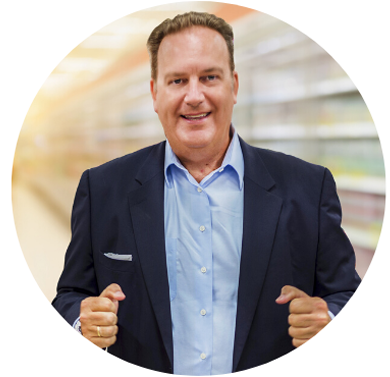 “Hi I’m Tim, and I love the food business! I’ve been helping large and small companies and entrepreneurs achieve success for decades. My consulting projects have contributed to major successes for my clients, including many with 100%+ year-over-year growth rates. I enjoy sharing my expertise, and hope you find these blog posts enlightening. Please reach out to me with any questions or comments.”

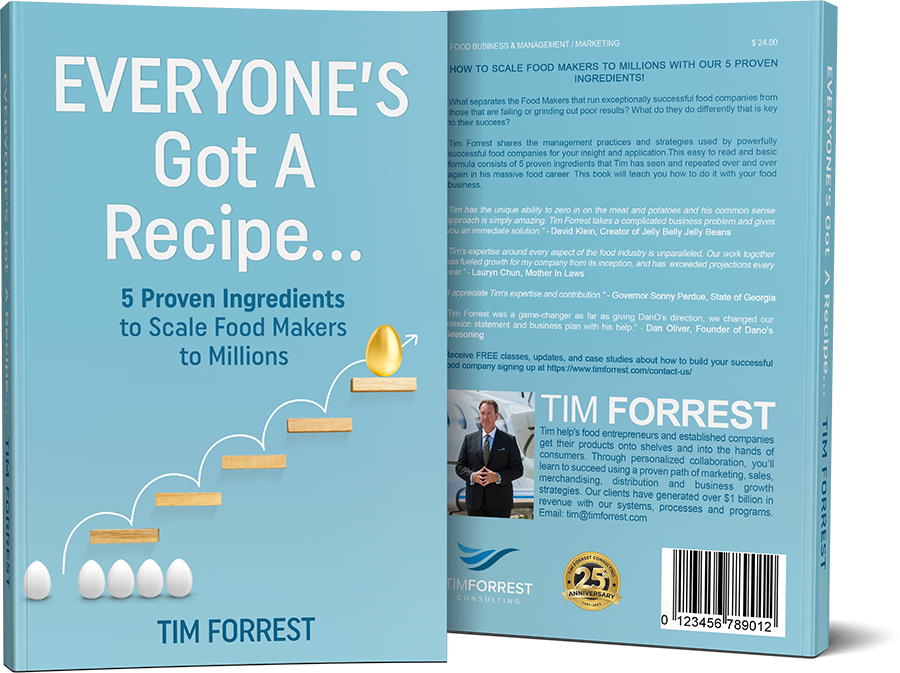

Share This Story
Related Posts





Let’s Talk



What We Do
 We help food entrepreneurs and established companies get their products onto shelves and into the hands of consumers. Through personalized collaboration, you’ll learn to succeed using a proven path of marketing, sales, merchandising, distribution and business growth strategies. We’ve generated over $1 billion in revenue and company valuations for our clients. Let us put our expertise to work for you.


