
Imported Produce Recall Highlights Why FDA Compliance Starts Long Before Food Reaches the U.S.

Food Safety Risks Begin at the Farm, Not at the Port. Tim Forrest Consulting Helps Importers Build the Systems That Protect Consumers, Brands, and Supply Chains.
When news breaks about a nationwide food recall, consumers usually see the restaurant name or grocery chain in the headlines. They rarely see what happened weeks—or even months—before the product ever reached the United States.
A recent multistate Cyclospora outbreak linked to shredded iceberg lettuce imported from Mexico is a reminder that food safety failures almost always begin far upstream in the supply chain. According to federal investigators, traceback efforts identified a foreign grower supplying lettuce that ultimately reached U.S. consumers through commercial foodservice channels. The outbreak sickened thousands of people, triggered widespread recalls, and shook consumer confidence in fresh produce.
For food importers, however, the story is much bigger than a recall.
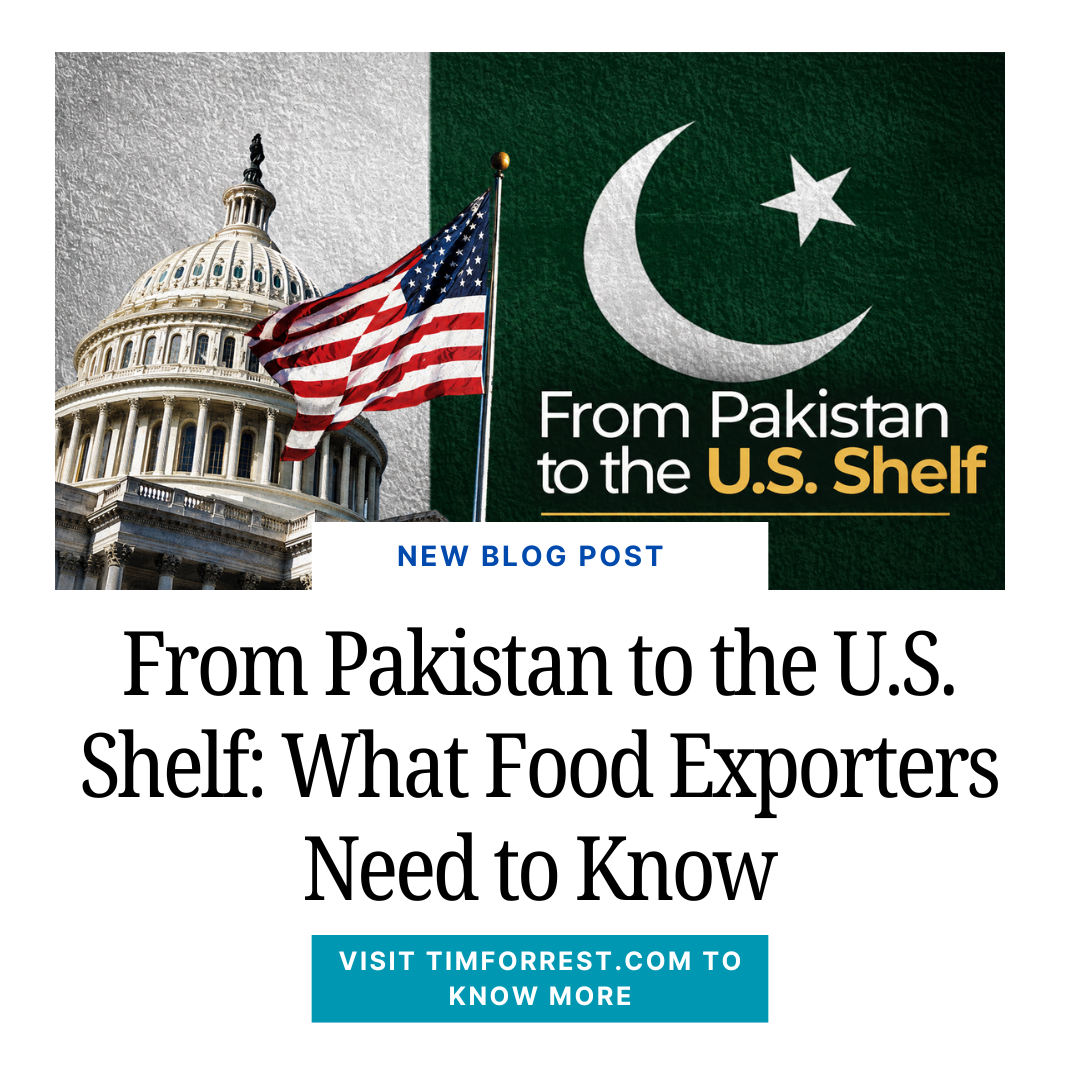
It is a lesson in why FDA compliance, supplier verification, and preventive food safety systems must begin long before a shipment arrives at a U.S. port.
Food Importing Is More Than Moving Products Across Borders
Importing food into the United States involves far more than freight logistics, customs paperwork, and FDA registration.
Every importer assumes responsibility for ensuring that food entering the country has been produced under conditions that meet U.S. food safety standards. That responsibility extends well beyond documentation. It includes understanding how products are grown, harvested, processed, packed, transported, and monitored throughout the supply chain.
Biological hazards such as Cyclospora, Salmonella, Listeria monocytogenes, and pathogenic E. coli cannot always be identified through a visual inspection of a shipment. These hazards often originate much earlier through contaminated irrigation water, inadequate sanitation practices, poor employee hygiene, or failures in agricultural controls.
Once contaminated products enter commerce, the consequences can be significant.
Consumers become ill.
Retailers remove products from shelves.
Importers face investigations, recalls, financial losses, and lasting damage to their reputation.
The FDA Expects Importers to Know Their Supply Chain
One of the most misunderstood aspects of importing food into the United States is the role of the importer.
Many companies assume responsibility lies primarily with the foreign manufacturer.
Under the Food Safety Modernization Act (FSMA) and the Foreign Supplier Verification Program (FSVP), importers have their own legal obligations.
They are expected to verify that foreign suppliers are producing food under standards equivalent to those required in the United States.
That means understanding potential hazards associated with each product and documenting how those hazards are being controlled.
For fresh produce, this may include evaluating:
- Agricultural water quality
- Worker hygiene and sanitation practices
- Harvest and packing procedures
- Environmental contamination risks
- Supplier food safety programs
- Corrective action procedures
- Ongoing verification records
Simply receiving a certificate from a supplier is rarely enough.
The FDA expects importers to understand the risks associated with the products they import and maintain documentation demonstrating that appropriate preventive controls are in place.
Food Safety Begins Before the First Shipment Leaves the Farm
One of the biggest mistakes new importers make is believing compliance starts when a container reaches a U.S. port.
In reality, many of the most important decisions happen long before a shipment is loaded.
Selecting qualified suppliers.
Reviewing food safety systems.
Confirming facility registrations.
Evaluating documentation.
Verifying labeling compliance.
Assessing transportation procedures.
Preparing importer records.
When these steps are overlooked, problems often surface only after products enter the United States, where the financial consequences become far more expensive.
Helping Food Importers Reduce Risk Through Preparation
For nearly three decades, Tim Forrest Consulting has helped international food manufacturers, exporters, and U.S. importers prepare for the complexities of the American food regulatory system.
Rather than reacting after problems occur, the firm’s approach focuses on helping clients build stronger compliance systems before products ever ship.
Services include guidance on:
- FDA import readiness
- Foreign Supplier Verification Program (FSVP)
- Supplier qualification and documentation
- Label compliance
- FDA facility registration
- Import strategy
- Retail readiness
- Regulatory planning
- U.S. market entry
The objective is straightforward: identify potential compliance issues early so they can be addressed before they become costly disruptions.
Protecting More Than Shipments
Strong compliance programs do more than satisfy regulators.
They help protect:
- Consumers
- Brand reputation
- Retail relationships
- Distribution partnerships
- Long-term business growth
One food safety incident can undo years of brand building.
Conversely, companies that invest in robust supplier verification and regulatory preparation position themselves for stronger relationships with retailers, distributors, and consumers alike.
Experience Matters When Entering the U.S. Market
Importing food into the United States has become increasingly complex as regulations continue to evolve and enforcement expectations increase.
Working with experienced advisors can help companies better understand FDA requirements, reduce avoidable delays, and build systems designed for long-term success.
Since 1997, Tim Forrest Consulting has worked with international food companies, importers, and emerging brands navigating FDA compliance, import strategy, and retail growth. Over more than 35 years in the food and consumer packaged goods industry, Tim Forrest has helped clients successfully enter the U.S. market, expand retail distribution, and generate more than $1 billion in retail revenue.
Preparing Before Problems Occur
Every recall serves as a reminder that food safety is not a single document or inspection.
It is a system.
For companies importing food into the United States, success depends on understanding the risks, preparing thoroughly, and building compliance into every stage of the supply chain.
The safest shipment is not the one that passes inspection.
It is the one that was prepared correctly long before it ever left the farm.
Businesses seeking guidance on FDA compliance, FSVP responsibilities, supplier verification, and importing food into the United States can learn more or schedule a consultation at www.timforrestmarkets.com
 “Hi I’m Tim, and I love the food business! I’ve been helping large and small companies and entrepreneurs achieve success for decades. My consulting projects have contributed to major successes for my clients, including many with 100%+ year-over-year growth rates. I enjoy sharing my expertise, and hope you find these blog posts enlightening. Please reach out to me with any questions or comments.”


Share This Story
Related Posts


Let’s Talk




What We Do
 We help food entrepreneurs and established companies get their products onto shelves and into the hands of consumers. Through personalized collaboration, you’ll learn to succeed using a proven path of marketing, sales, merchandising, distribution and business growth strategies. We’ve generated over $1 billion in revenue and company valuations for our clients. Let us put our expertise to work for you.


