
The Real Cost of Importing Food Into the U.S.
Most people think the hard part is finding a great product overseas. It’s not. The real risk is assuming the U.S. system will bend to your plan. It won’t.
In this blog, Tim Forrest breaks down why food import businesses get stuck early—and what to do instead if you want to sell in the U.S. without expensive surprises.
A food import business succeeds or fails on regulatory reality
The global food trade looks glamorous from the outside. Beautiful products. Compelling origin stories. Strong demand from U.S. consumers who want something different. That part is real. But demand does not protect you from U.S. regulators.
The FDA does not care how good your product tastes. Customs does not care how much money you spent on branding. If your compliance is wrong, your shipment sits. If it’s really wrong, it gets refused or destroyed.
This is where many new importers misjudge the game. They start with marketing and sourcing. They treat compliance as a formality they can “handle later.” By the time they realize it’s operational, not theoretical, they’ve already wired money overseas.
Tim has seen this hundreds of times. A founder calls after their first shipment is held. They ask what form they missed. The real answer is harder. The business was built backward.
The budget matters less than how you calculate risk
You do need capital. But the number matters less than where you apply pressure. Importing food is not just buying inventory and paying freight. Your real costs show up when something goes wrong.
A product without a proper Foreign Supplier Verification Program is not just noncompliant. It is legally unsellable. An importer without product liability insurance is one consumer complaint away from shutting down.
Consider a simple scenario. You import shelf-stable sauces from Europe. The product arrives. FDA asks for your FSVP records. Your supplier gave you a certificate, but no hazard analysis, no verification activities, no U.S.-aligned documentation. The shipment is held. Storage fees start. Your cash is locked on the water.
This is why early budgeting must include regulatory execution, not just estimates. FDA registration is free, but compliance is not. Customs brokers are not optional. Insurance is not a “later” decision. These are the costs that keep you alive when something breaks.
Licensing and paperwork are operational systems, not forms
Many founders assume FDA compliance is a checklist. Register the facility. File prior notice. Done. That mindset causes real damage.
FSVP is not a document you download. It is a living system tied to each product and each supplier. It requires you to understand hazards, verify controls, and keep records that stand up to inspection. If you can’t explain it, you don’t have it.
The same goes for customs. A broker does not replace your responsibility. They execute filings based on what you provide. If your tariff codes are wrong or your product description is vague, Customs will still come back to you.
Tim often sees importers who formed an LLC and assumed that was the hard part. It isn’t. The hard part is aligning your sourcing, labeling, safety documentation, and logistics so that every shipment looks boring to regulators. Boring is good. Boring clears.
Insurance and infrastructure protect you when things go sideways
Food businesses don’t fail because everything goes wrong. They fail because one thing goes wrong and there’s no buffer.
Product liability insurance is not about fear. It’s about math. One illness claim can cost more than your first year of profit. Cargo insurance is the same. Goods are most vulnerable when they are in motion, not when they are sitting in your warehouse.
Infrastructure decisions compound this risk. A warehouse that can’t handle your cold chain will quietly destroy margin. A lease that doesn’t allow food storage will stop growth. These are not theoretical issues. They show up when you scale past hobby volume.
Tim advises clients to think in terms of flow. Product flow. Paper flow. Cash flow. If one breaks, the others follow. Good infrastructure doesn’t make you money. It keeps you in business long enough to make money.
Growth comes from discipline, not speed
Most importers want to scale fast. More SKUs. More customers. More states. Speed feels like success. In regulated industries, speed without control is just risk.
Pricing is a good example. If you don’t know your landed cost, you don’t know your business. Tariffs, insurance, customs fees, and spoilage all belong in that number. Guessing here leads to thin margins that collapse under pressure.
The same applies to operations. Hiring before your supply chain is stable creates chaos. Selling to national buyers before your compliance is airtight creates exposure. Spreadsheets work until they don’t. Past a certain point, manual systems become liabilities.
Tim has watched brands stall not because demand disappeared, but because operations couldn’t keep up. Scaling is not about doing more. It’s about doing the same thing, correctly, at higher volume.
The brands that last build compliance into the business
Here’s the counterintuitive truth. The most successful food importers don’t treat FDA compliance as a cost center. They treat it as a competitive advantage.
When your documentation is clean, buyers trust you. When your labeling is right, retailers move faster. When your systems are solid, scaling becomes a choice instead of a gamble.
Tim’s clients are not looking for shortcuts. They want clarity. They want to know what the rules are, how they apply, and how to build a business that survives contact with reality.
That’s the difference between importing food and running a food import business.
If you’re planning to enter the U.S. market—or you’re already in it and feeling pressure—this is the moment to get aligned. The earlier you build it right, the less it costs to fix later.
Visit timforrest.com to schedule a call. Tim will tell you quickly if your plan holds up. And if it doesn’t, he’ll tell you why.
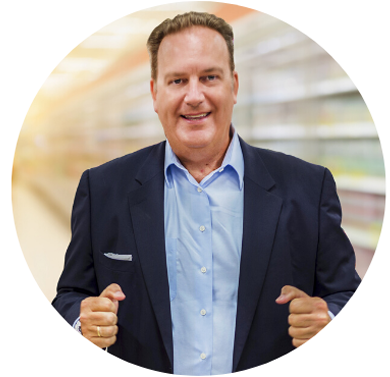 “Hi I’m Tim, and I love the food business! I’ve been helping large and small companies and entrepreneurs achieve success for decades. My consulting projects have contributed to major successes for my clients, including many with 100%+ year-over-year growth rates. I enjoy sharing my expertise, and hope you find these blog posts enlightening. Please reach out to me with any questions or comments.”


Share This Story
Related Posts



Let’s Talk
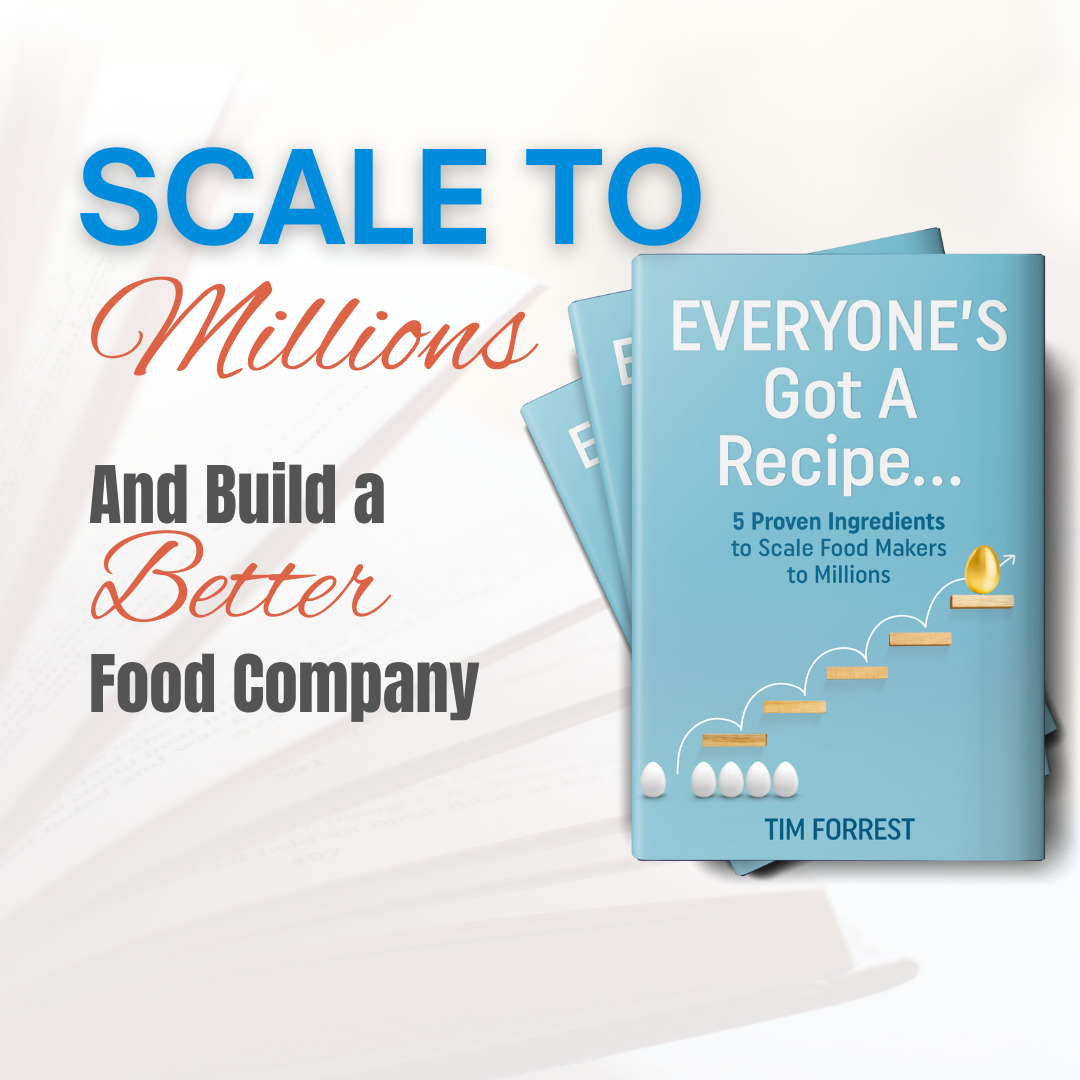



What We Do
 We help food entrepreneurs and established companies get their products onto shelves and into the hands of consumers. Through personalized collaboration, you’ll learn to succeed using a proven path of marketing, sales, merchandising, distribution and business growth strategies. We’ve generated over $1 billion in revenue and company valuations for our clients. Let us put our expertise to work for you.


